

 English
 русский
 Français
 Español
 عربى
عربى


Technology in Optical Glasses Frames Factory
Jan 23,2026
Innovation Through Technology
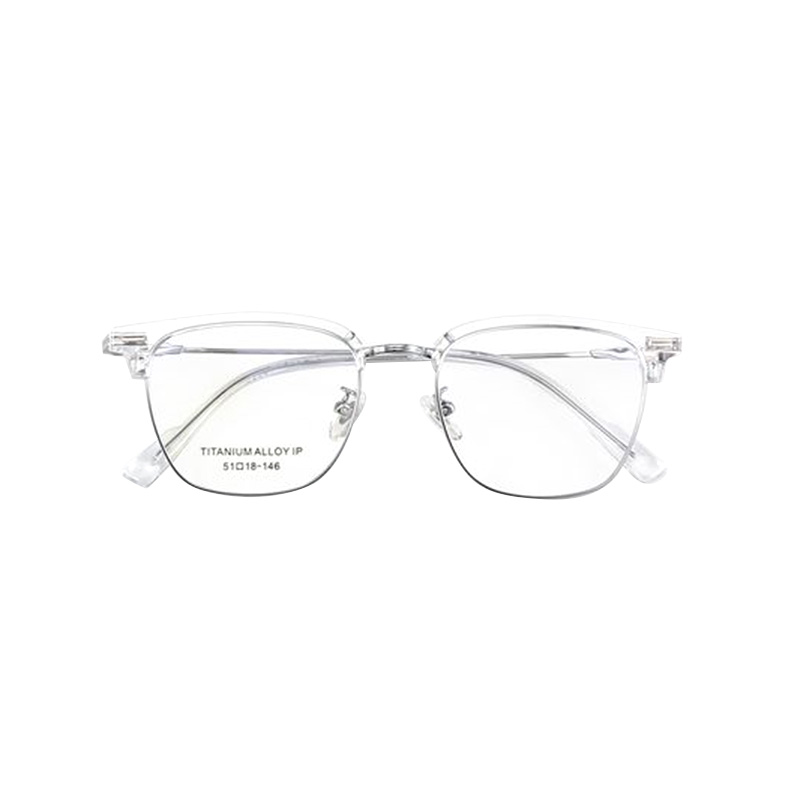
An Optical Glasses Frames Factory today relies heavily on modern technology to refine production. Automated machines, 3D printing, and advanced software are transforming the way frames are designed and manufactured. By incorporating these tools, factories can produce more consistent frames, reduce human errors, and introduce new styles more efficiently. The integration of technology also allows the factory to meet diverse consumer preferences, keeping products aligned with current fashion trends.
Material Selection and Processing
Choosing the right materials is crucial for an Optical Glasses Frames Factory. Metals, plastics, acetate, and titanium are widely used for their durability and aesthetic appeal. Technology helps in the precise cutting, molding, and shaping of these materials. Advanced machinery ensures uniformity and accurate dimensions for each frame. By applying automated inspections, a factory can identify defects early in the production line, which enhances the overall quality of glasses frames.
Streamlining Production Lines
Production efficiency is another area where an Optical Glasses Frames Factory benefits from technology. Modern assembly lines integrate robotics and software monitoring to speed up manufacturing. Components such as hinges, screws, and lenses can be assembled with high precision, reducing delays and labor costs. Streamlined processes also allow for quicker adaptation to new designs and seasonal trends, keeping the factory competitive in the market.
Quality Monitoring and Control
Maintaining consistent quality is a priority for any Optical Glasses Frames Factory. Advanced technology provides real-time monitoring of frame dimensions, alignment, and surface finish. Automated testing ensures that each frame meets the required standards without compromising production speed. This technological approach reduces human error and improves customer satisfaction, as frames are more likely to fit comfortably and last longer.
Customization and Consumer Preferences
An Optical Glasses Frames Factory can leverage technology to offer personalized frames. 3D scanning and design software allow consumers to choose custom shapes, sizes, and colors. This flexibility not only enhances customer experience but also expands market opportunities. Technology enables the factory to handle small-batch production efficiently, which was previously challenging using traditional manufacturing methods.
Environmental Considerations
Sustainable practices are becoming more feasible in an Optical Glasses Frames Factory with the help of technology. Efficient material usage, reduced waste, and energy-saving machines contribute to environmentally conscious production. Advanced recycling methods can reclaim materials like acetate or metal scraps for reuse, minimizing the ecological footprint. Such practices also appeal to eco-conscious consumers, creating a positive brand image.
Global Market Adaptation
Competing internationally requires that an Optical Glasses Frames Factory adapt to different market regulations and trends. Technology helps monitor supply chains, forecast demands, and maintain production schedules for multiple markets. Digital platforms can track orders, manage inventory, and coordinate logistics, allowing factories to respond quickly to changing conditions in various regions.
Future Trends in Optical Glasses Frames
Looking ahead, technology will continue to shape the operations of an Optical Glasses Frames Factory. Innovations like AI-driven design, smart glasses integration, and new composite materials could redefine frame production. Factories that adopt these technologies can remain agile, deliver a wider range of products, and meet the evolving expectations of customers worldwide. By staying technologically advanced, these factories maintain relevance and appeal in a competitive industry.
 PREV:
PREV:Supply Chain Insights for Custom Sunglass ManufacturersNEXT:
Fashionable Sunglasses Factory Insights
Your email address will not be published. Required fields are marked *
CATEGORY
NEW PRODUCTS




You can contact us at any time, and we will reply to you within 24 hours.
- 3-11, Optical Mall, No. 777, Huancheng North Road, Duqiao Town, Linhai, Taizhou City, Zhejiang, China.
- +86-576-85885058
- +86-18258841999
- yani@yaniglasses.com
Custom Fashionable Sunglass Manufacturers
