

 English
 русский
 Français
 Español
 عربى
عربى


The Timeless Appeal of Handcrafted Acetate Eyewear
Mar 06,2026
Understanding Acetate as a Frame Material
Acetate has long been regarded as the premium material for high-quality sunglass frames. A pair of acetate sunglasses begins as sheets or blocks of cellulose acetate, a plant-based plastic derived from cotton fibers and wood pulp. Unlike injection-molded plastics that are forced into shape quickly, acetate is designed to be worked by hand, giving artisans the ability to create frames with depth, richness, and character that mass-produced alternatives cannot replicate . The material's hypoallergenic properties also make it ideal for sensitive skin, as it contains no latex or other common irritants found in lesser materials.
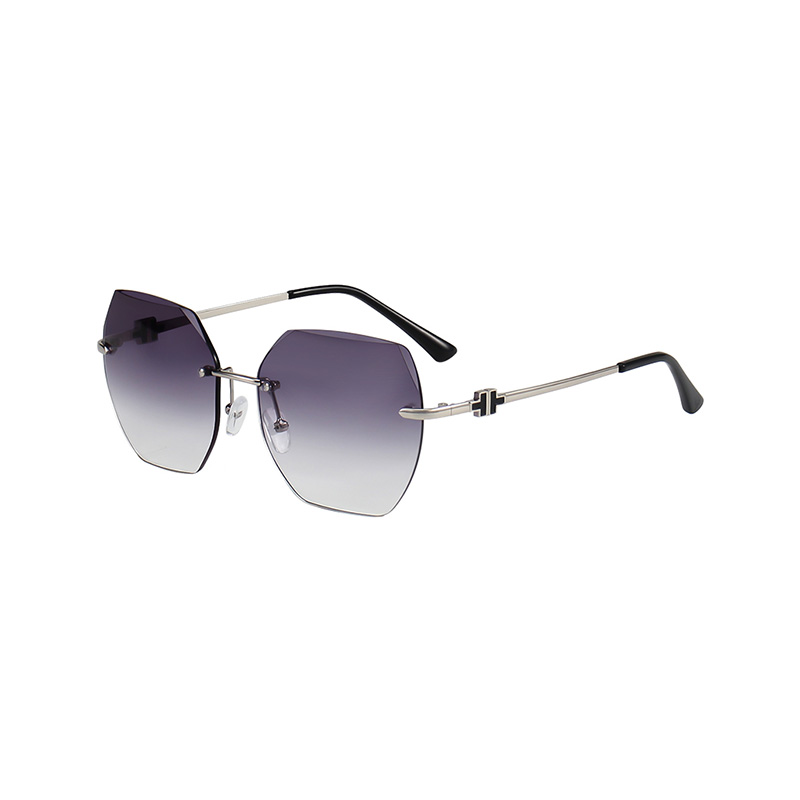
The Milled Acetate Advantage
The significant distinction in quality lies between injection-molded frames and true milled acetate. With acetate sunglasses, the process begins with solid blocks or sheets that are cut, layered, and shaped through precise machining operations. This subtractive manufacturing approach removes material to create the final form, resulting in frames with greater density, durability, and color depth. Injection-molded frames, by contrast, are made by forcing molten plastic into molds, a faster process that produces lighter, less substantial frames prone to brittleness and color fading over time. The weight and feel of milled acetate immediately communicate quality to discerning wearers.
Layering and Color Possibilities
One of the distinctive characteristics of premium acetate is its ability to incorporate multiple colors and patterns within a single frame. Skilled manufacturers create acetate sunglasses by layering thin colored sheets, then machining them to reveal the internal striations and patterns. This technique produces the rich tortoiseshell effects, marble patterns, and subtle color gradients that have become synonymous with luxury eyewear. Unlike painted surfaces that wear away over time, the color in layered acetate runs throughout the material, ensuring lasting beauty even if frames become scratched through regular use.
Hand Polishing for Optical Clarity
The finishing process for quality acetate frames involves extensive hand work that machine polishing cannot replicate. After machining, each frame undergoes multiple stages of tumbling and buffing to achieve the characteristic luster of fine eyewear. Artisans inspect each piece, applying compounds and techniques developed through years of experience. This attention to detail ensures that acetate sunglasses emerge with smooth edges, comfortable fit, and a warm glow that distinguishes them from mass-market alternatives. The polishing process also removes any machining marks, creating surfaces that feel pleasant against the skin.
Durability and Longevity Characteristics
Acetate offers practical advantages beyond its aesthetic appeal. The material maintains flexibility, allowing frames to bend slightly under stress rather than snapping. When exposed to heat during fitting adjustments, acetate holds its new shape reliably, unlike some plastics that gradually return to original positions. With proper care, quality acetate sunglasses can last for decades, developing a subtle patina that adds character without compromising structural integrity. This longevity makes them a sustainable choice compared to disposable fashion eyewear.
Keyhole Bridges and Classic Design Elements
Many premium acetate frames incorporate design features rooted in optical history. The keyhole bridge, named for its distinctive shape, distributes weight evenly across the nose while allowing airflow to prevent fogging. Skived wire cores embedded within the acetate temples maintain adjustment integrity while enabling custom fitting. Acetate's workability allows these classic elements to be executed with precision, resulting in acetate sunglasses that combine historical authenticity with modern comfort.
Hinge Integration and Hardware Quality
The connection between frame and temples reveals much about overall construction quality. Premium acetate frames utilize five-barrel hinges with real screws, allowing precise adjustment and reliable long-term performance. These hinges are often recessed into the acetate during machining, creating clean lines and preventing the hinge from loosening over time. Lower-quality alternatives may use stamped or crimped hinges that cannot be adjusted and fail prematurely. The hardware on well-made acetate sunglasses complements the frame material, with corrosion-resistant finishes that maintain appearance through years of use.
 PREV:
PREV:The Performance Choice for Active LifestylesNEXT:
Manufacturing Essentials of a Blue Light Blocking Glasses Factory
Your email address will not be published. Required fields are marked *
CATEGORY
NEW PRODUCTS
-

-

Oct 02,2026
-


You can contact us at any time, and we will reply to you within 24 hours.
- 3-11, Optical Mall, No. 777, Huancheng North Road, Duqiao Town, Linhai, Taizhou City, Zhejiang, China.
- +86-576-85885058
- +86-18258841999
- yani@yaniglasses.com
Custom Fashionable Sunglass Manufacturers
