

 English
 русский
 Français
 Español
 عربى
عربى


The Performance Choice for Active Lifestyles
Mar 13,2026
Understanding Nylon as a Lens Material
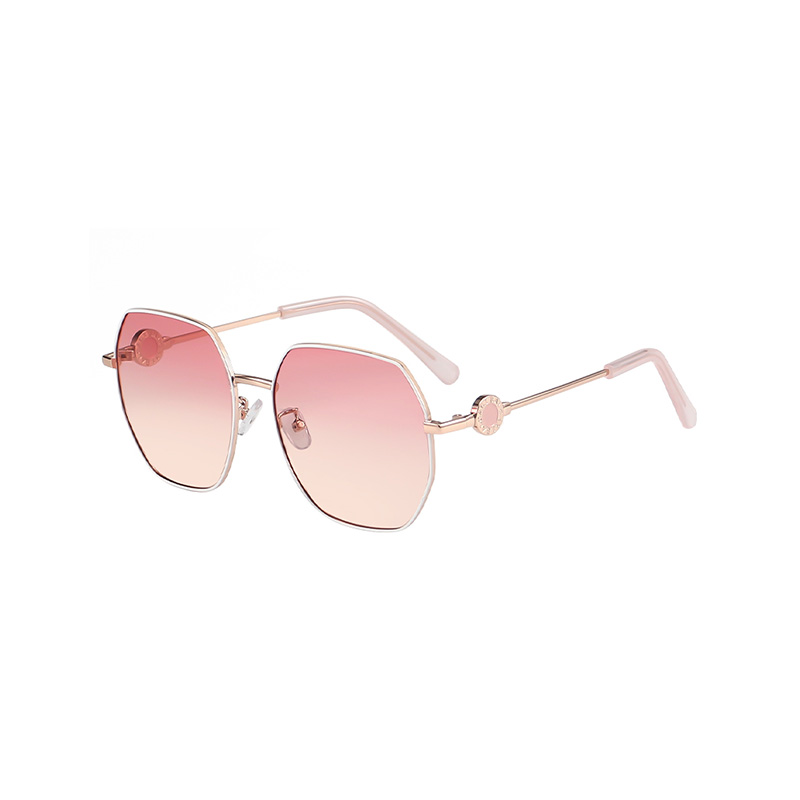
Nylon lenses represent a significant advancement in eyewear technology, offering properties that glass and standard plastic alternatives cannot match. A pair of nylon lens sunglasses utilizes lenses molded from nylon-based polymers, creating optical elements with exceptional impact resistance and flexibility. Unlike polycarbonate, which can be somewhat soft and prone to scratching, nylon formulations achieve an balance of strength, clarity, and surface hardness. The material was originally developed for demanding applications including aerospace and military equipment before finding its way into premium sports and performance eyewear.
Impact Resistance and Safety Advantages
The primary advantage of nylon lenses lies in their remarkable ability to withstand impact without shattering. Standard glass lenses can break dangerously upon impact, while even conventional plastic lenses may crack under sufficient force. Nylon lens sunglasses bend and flex under stress, absorbing energy that would fracture other materials. This property proves invaluable during sports, outdoor activities, and any situation where flying debris or accidental drops might occur. Many safety eyewear standards specifically recognize nylon as meeting or exceeding requirements for occupational and recreational protection.
Optical Clarity and Visual Performance
Early nylon lenses suffered from optical distortion, but modern formulations have overcome these limitations. Current manufacturing processes produce nylon lens sunglasses with clarity rivaling premium glass and CR-39 plastic alternatives. The material accepts tints uniformly, allowing precise control over light transmission for different lighting conditions. Abbe value, which measures chromatic aberration or color fringing, approaches that of high-quality optical plastics in well-formulated nylon compounds. Wearers experience true color representation without the rainbow effects that plague some low-cost alternatives.
Lightweight Comfort for Extended Wear
Weight considerations become increasingly important the longer sunglasses remain on the face. Nylon's specific gravity falls significantly below glass and even below many optical plastics, making nylon lens sunglasses noticeably lighter during all-day use. This weight reduction translates directly to comfort, reducing pressure on the nose and ears while minimizing the tendency for frames to slip during activity. For athletes, military personnel, and outdoor workers who wear eye protection continuously, the weight difference between nylon and alternatives can significantly affect fatigue and performance.
Chemical Resistance and Durability
Exposure to sweat, sunscreen, insect repellent, and other chemicals can degrade lesser lens materials over time. Nylon demonstrates resistance to chemicals encountered during outdoor activities, maintaining optical integrity and surface quality even with regular exposure. A pair of nylon lens sunglasses survives contact with DEET, salt spray, and cleaning agents that would craze or cloud other materials. This chemical resistance extends usable life and ensures consistent visual performance regardless of conditions.
Temperature Stability Across Environments
Lens materials respond differently to temperature extremes, with some becoming brittle in cold or soft in heat. Nylon maintains its properties across a remarkable temperature range, from freezing winter conditions to intense summer heat. Skiers and winter sports enthusiasts appreciate that nylon lens sunglasses remain flexible and impact-resistant even at subzero temperatures, while desert adventurers find they hold their shape and optical properties when the mercury soars. This thermal stability eliminates the need for different eyewear across seasons or climates.
Injection Molding Precision
Manufacturing nylon lenses involves high-pressure injection molding into precision-machined steel tools. Molten polymer fills cavity details at microscopic levels, reproducing complex curves, base curves, and geometric features exactly as designed. This process allows nylon lens sunglasses to incorporate wrap designs and tight radii that would be impossible with materials requiring grinding and polishing. The ability to mold finished optics directly reduces production steps while maintaining consistent quality across thousands of units.
 PREV:
PREV:Inside the Facilities Protecting Digital Eyes WorldwideNEXT:
The Timeless Appeal of Handcrafted Acetate Eyewear
Your email address will not be published. Required fields are marked *
CATEGORY
NEW PRODUCTS




You can contact us at any time, and we will reply to you within 24 hours.
- 3-11, Optical Mall, No. 777, Huancheng North Road, Duqiao Town, Linhai, Taizhou City, Zhejiang, China.
- +86-576-85885058
- +86-18258841999
- yani@yaniglasses.com
Custom Fashionable Sunglass Manufacturers
