

 English
 русский
 Français
 Español
 عربى
عربى


Lightweight vs Large Frame Blue Light Glasses Guide
Jul 10,2026
Ten hours into a workday, and the bridge of your nose is sore, your temples ache a little, and you're not entirely sure whether it's the screen or the glasses causing the discomfort. Blue Light Reduction Glasses are supposed to make screen time easier, not add another layer of irritation, so if frame weight or size has ever left you fidgeting by mid-afternoon, this comparison is for you. Choosing between lightweight and large frame styles isn't just an aesthetic call — it actually shapes how comfortable, effective, and practical your glasses feel across a full day of use.
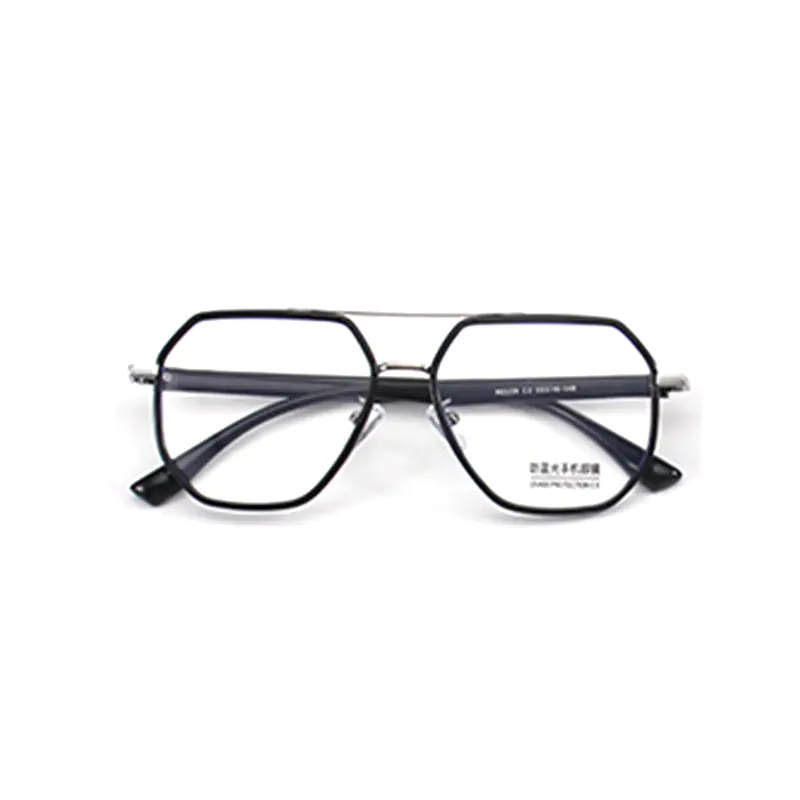
What Actually Separates Lightweight From Large Frame Designs?
Lightweight frames prioritize minimal material and reduced weight, typically built from nylon or thin metal alloys that sit gently on the face without adding noticeable pressure points. Large frame designs, by contrast, lean into broader lens coverage and a bolder visual presence, often constructed from acetate or thicker composite materials.
Neither approach is objectively better. They're just solving different problems. Lightweight frames solve for comfort during extended wear. Large frames solve for coverage, style presence, and sometimes better protection against peripheral light exposure.
Understanding which problem you're actually trying to solve tends to matter more than following whatever trend happens to dominate a particular season.
Why Does Frame Weight Matter So Much for Blue Light Glasses Specifically?
Blue light glasses for reading, office work, or extended screen sessions get worn for hours at a stretch, sometimes an entire workday without a break. That duration changes the calculus considerably compared to sunglasses worn briefly outdoors.
A few reasons weight becomes noticeable over time:
- Pressure builds gradually on the nose bridge and behind the ears during long wear
- Heavier frames shift position more easily, requiring constant readjustment
- Fatigue from frame weight can compound with existing screen related eye strain
- Comfort directly affects whether someone actually keeps the glasses on consistently
Blue light protection only works when the glasses stay on your face. A frame that feels heavy or uncomfortable after a while may be pushed up onto the head or set aside, which reduces the purpose of wearing them.
Do Lightweight Frames Sacrifice Anything Important?
Not really, though there are tradeoffs worth knowing about. Lightweight construction sometimes means slightly less lens coverage compared to larger designs, since bulkier frames can accommodate bigger lenses without adding proportional weight.For office and reading applications, this tradeoff is usually not noticeable in practice, as the reduced coverage has little effect on how well the lenses filter blue light from a screen placed directly in front of the wearer.
When Does a Large Frame Design Make More Sense?
Large frame blue light glasses bring their own set of practical advantages, particularly in situations where coverage and visual presence matter more than minimizing weight.
Consider these scenarios:
- Users working across multiple monitors, where wider peripheral coverage reduces light exposure from screens outside direct line of sight
- Gamers spending extended sessions in front of bright displays, where broader lens area helps reduce overall eye strain
- Buyers seeking a more fashion forward statement piece rather than a purely functional accessory
- Individuals with wider facial structures who find smaller frames pinch or sit awkwardly
Blue light glasses for gamers, in particular, often lean toward larger designs, since gaming sessions frequently stretch for hours and involve bright, high contrast visuals that benefit from wider lens coverage blocking light from multiple angles.
Does Larger Always Mean Heavier?
Not necessarily, and this is where material choice starts mattering as much as frame size itself. A large acetate frame will typically weigh more than a small nylon one, sure. But manufacturers have gotten considerably better at building oversized frames using lighter composite materials, narrowing the weight gap between large and lightweight designs more than people often expect.
Comparing Lightweight and Large Frame Options Across Key Factors
Looking at this comparison, the underlying pattern becomes clear enough. Neither style dominates across every use case. The right choice depends heavily on how long the glasses get worn each day and what kind of visual environment they're protecting against.
Nylon Versus Acetate: How Does Material Choice Fit Into This Decision?
Frame material plays almost as big a role as overall size when it comes to comfort and durability. Nylon vs acetate frames represent two of the more common choices across both lightweight and large frame categories, each bringing distinct characteristics worth understanding.
Nylon frames are generally flexible, resistant to breakage under light stress, and naturally lighter than many alternative materials. This flexibility makes them suitable for lightweight designs intended for regular, extended use.
Acetate frames, meanwhile, offer richer color and pattern options along with a more substantial feel, which suits large frame designs aiming for a bolder aesthetic. Acetate tends to weigh a bit more than nylon, though quality manufacturing can minimize that difference considerably.
Matching Frame Choice to Actual Usage Scenarios
Rather than picking a style based on appearance alone, it helps to think through how the glasses will actually be used day to day.
For office environments, blue light glasses for office work generally benefit from lightweight construction, since these glasses often get worn continuously through an eight hour shift without much opportunity for breaks. Comfort here directly affects productivity and whether the wearer keeps the glasses on consistently.
For reading, particularly extended sessions with books, tablets, or e-readers, lightweight frames again tend to serve better, since reading posture often involves the head tilted downward, and heavier frames can slide or shift more noticeably in that position.
For gaming, sunglasses lens size becomes more relevant, since larger lenses cover more of the visual field during intense, extended sessions in front of bright displays. Gamers also tend to prioritize style alongside function, making large frame designs a natural fit for this audience.
What Should Buyers and Retailers Consider When Sourcing Blue Light Glasses?
For businesses sourcing eyewear, whether stocking retail shelves or building a private label line, understanding this lightweight versus large frame distinction shapes product strategy considerably.
A few practical considerations worth weighing:
- Target customer demographics, since office workers and students often favor lightweight styles while gaming focused buyers lean toward bolder, larger frames
- Material sourcing capability, particularly whether a manufacturer can produce both nylon and acetate options at consistent quality
- Customization flexibility for private label programs wanting to differentiate frame style across a product line
- Production capacity for scaling either category based on actual market demand
Retailers and brand buyers benefit from partnering with manufacturers capable of producing both styles reliably, rather than being locked into just one frame category regardless of shifting customer preferences.
Choosing between lightweight and large frame blue light glasses ultimately comes down to matching design to actual daily use, rather than picking whichever style looks appealing in a product photo. Someone spending eight hours at a desk benefits from a different frame profile than a gamer running extended sessions across multiple bright displays, and recognizing that distinction helps both individual buyers and B2B purchasers make smarter sourcing decisions. Zhejiang Yani Eyewear Co., Ltd. works with retailers and brand partners looking to offer both lightweight and large frame options, supporting nylon and acetate construction across a range of styles suited to reading, office work, and gaming applications alike. If you're evaluating frame options for your next product line or simply trying to find the right fit for your own daily screen time, reaching out to discuss your specific requirements is a practical next step toward glasses that actually get worn consistently.
 PREV:
PREV:Can You Put Regular Lenses in Sunglasses? What Buyers Need to KnowNEXT:
Nylon Sunglasses Guide for Comfortable Contact Lens Wear
Your email address will not be published. Required fields are marked *
CATEGORY
NEW PRODUCTS
-
Oct 02,2026
-
-


You can contact us at any time, and we will reply to you within 24 hours.
- 3-11, Optical Mall, No. 777, Huancheng North Road, Duqiao Town, Linhai, Taizhou City, Zhejiang, China.
- +86-576-85885058
- +86-18258841999
- yani@yaniglasses.com
Custom Fashionable Sunglass Manufacturers
