

 English
 русский
 Français
 Español
 عربى
عربى


Nylon Sunglasses Guide for Comfortable Contact Lens Wear
Jul 03,2026
Eyes drying out halfway through a bike ride, that gritty feeling after a windy afternoon outdoors, lenses shifting slightly under a frame that presses too hard on the temple—contact lens wearers often experience a version of sunglasses shopping that people with regular vision rarely consider. Nylon Sunglasses tend to appear early in that search because frame material plays a more important role than many buyers initially expect when a contact lens sits directly on the eye throughout the day. For eyewear brands, retailers, and procurement teams sourcing sun protection products for this group, understanding what contributes to comfort and protection for contact lens wearers helps define which specifications should be included on a product sheet in the place.
Why Do Contact Lens Wearers Need to Think Differently About Sunglasses?
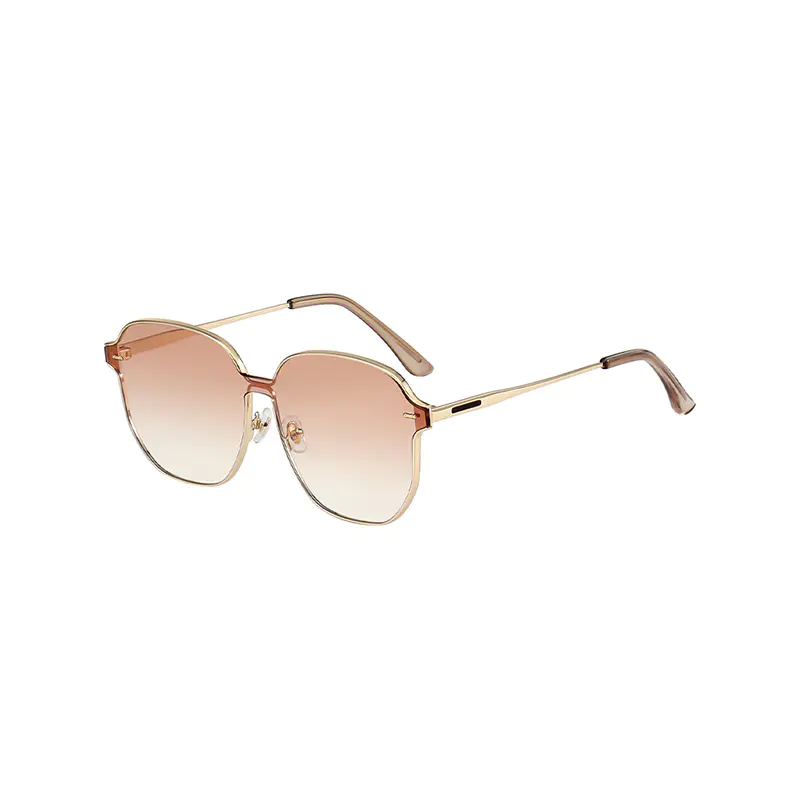
A contact lens sits directly on the surface of the eye, without the natural blinking barrier a regular lens wearer gets from glasses positioned slightly further out. That closeness means wind, dust, and dry air reach the eye more directly, and a poorly sealed or ill fitted sunglass frame does little to slow that exposure down. Add prolonged screen use or outdoor activity into the mix, and dryness becomes a recurring complaint rather than an occasional nuisance. Sunglasses do not fix dryness on their own, but the right frame reduces how much wind and airborne particulate reaches the eye area, which in turn reduces how often a contact lens wearer needs to blink hard or reach for rewetting drops during the day.
Does Frame Weight Actually Make a Noticeable Difference?
It does, more than people assume before trying a lighter frame themselves. A heavier frame presses down on the nose and temples over hours of wear, and that pressure can indirectly affect how a contact lens sits, particularly for wearers already managing mild discomfort from lens dryness. Nylon frames tend to weigh less than several traditional frame materials, which reduces that steady pressure and makes extended outdoor wear feel less fatiguing by the end of a long day.
What Makes Nylon a Practical Frame Choice Here?
Nylon holds up well against repeated flexing without snapping, resists impact reasonably well, and tolerates a fairly wide temperature range without becoming brittle in cold weather or soft in heat. For anyone spending time outdoors, whether hiking, cycling, or working a job that moves between indoor and outdoor conditions throughout the day, that flexibility matters. A frame that can bend slightly under pressure and spring back tends to survive accidental drops or a tight fit into a bag far better than a rigid alternative.
None of this replaces proper lens care or eye drops for someone managing dryness, but a frame that stays comfortable and durable through active use removes one variable that might otherwise make contact lens wearers reluctant to spend time outdoors in bright conditions.
Comparing Nylon and Acetate Frames Side by Side
Buyers weighing frame material options for a product line often want a direct comparison rather than scattered claims about each material.
| Feature | Nylon Frames | Acetate Frames |
|---|---|---|
| Weight | Lighter | Heavier |
| Flexibility | Higher; resists snapping under stress | Lower; more rigid structure |
| Temperature Tolerance | Wide range; stable in heat and cold | Can soften slightly under high heat |
| Typical Use Case | Sports, outdoor activity, active daily wear | Fashion-forward, everyday casual wear |
| Feel Against Skin | Smooth; lighter contact | Warmer, richer material feel |
Neither material is universally better, since the decision depends heavily on how the end user plans to wear the sunglasses. Someone spending hours outdoors during physical activity generally leans toward the lighter, more flexible option, while someone prioritizing a particular aesthetic for daily wear might still prefer acetate despite the added weight.
Should Every Product Line Choose One Material Over the Other?
Not necessarily. A well rounded eyewear catalog often benefits from carrying both options, since contact lens wearers are not a single uniform group. Some prioritize sport oriented performance and lean toward nylon frames, while others want a sunglasses pair that also works as a fashion accessory for everyday errands, where acetate might fit their preference better despite the added weight sitting on the nose.
Why Does Lens Size Matter for This Group of Wearers?
Frame material solves part of the comfort equation, but sunglasses lens size plays an equally important role in shielding the eyes from wind and glare. A smaller lens leaves gaps around the edges where wind and dust slip through, reaching the eye area regardless of how well the frame itself fits. A larger, wraparound style lens reduces those gaps, creating a more consistent barrier against airborne particles and reducing how much peripheral light reaches the eye from the sides.
For contact lens wearers specifically, wraparound coverage often brings more practical value than many expect when entering a store. Limiting exposure to wind around the sides helps reduce daytime dryness and can lower the need for frequent use of eye drops during outdoor activity.
Steps for Choosing Sunglasses That Actually Work for Contact Lens Wearers
- Check frame weight first, since lighter nylon options reduce pressure points during extended wear.
- Look at lens coverage, favoring larger or wraparound styles that block wind and dust from reaching the eye edges.
- Confirm nose bridge fit, since a poorly fitted bridge shifts the frame and indirectly disturbs lens positioning.
- Consider intended activity, matching sport oriented frames to active use and more traditional frames to everyday casual wear.
- Test temple grip, ensuring the arms hold steady during movement without sliding or requiring constant adjustment.
Skipping these checks often results in frames that appear suitable on display but do not hold up when used during real outdoor activity.
Bringing the Selection Process Together
Choosing sunglasses when you wear contact lenses is not really about picking whatever pair looks appealing on a display rack, it comes down to weighing frame weight, material flexibility, and lens coverage against how much time gets spent outdoors and under what conditions. Nylon Sunglasses tend to answer that need well for buyers focused on active use, offering a lighter, more forgiving frame that holds up across temperature swings and repeated handling, while acetate remains a reasonable alternative for wearers prioritizing a different look over athletic performance. Zhejiang Yani Eyewear Co., Ltd. works with brands and retailers sourcing through a Sports Sunglasses Manufacturer relationship built around these exact comfort and protection considerations, and sharing your target activity use, frame preferences, and lens coverage needs is a practical way to start narrowing down the right product line for your customers.
 PREV:
PREV:Lightweight vs Large Frame Blue Light Glasses GuideNEXT:
Do Blue Light Reduction Glasses Help Improve Sleep Cycles
Your email address will not be published. Required fields are marked *
CATEGORY
NEW PRODUCTS
-
Oct 02,2026
-
-

You can contact us at any time, and we will reply to you within 24 hours.
- 3-11, Optical Mall, No. 777, Huancheng North Road, Duqiao Town, Linhai, Taizhou City, Zhejiang, China.
- +86-576-85885058
- +86-18258841999
- yani@yaniglasses.com
Custom Fashionable Sunglass Manufacturers
