

 English
 русский
 Français
 Español
 عربى
عربى


Can Sunglasses Lens Size Guide Help Contact Lens Users
Aug 07,2026
Bright sunlight hits differently once contact lenses are in. Anyone who wears them outdoors knows that particular sting of squinting through glare, dust, or wind with no real relief. Sunglasses Lens Size plays an important role in this area, as the amount of coverage a lens provides can influence how comfortable and supported contact lens wearers feel when they go outdoors. It's the kind of detail that gets overlooked right up until the moment it doesn't.
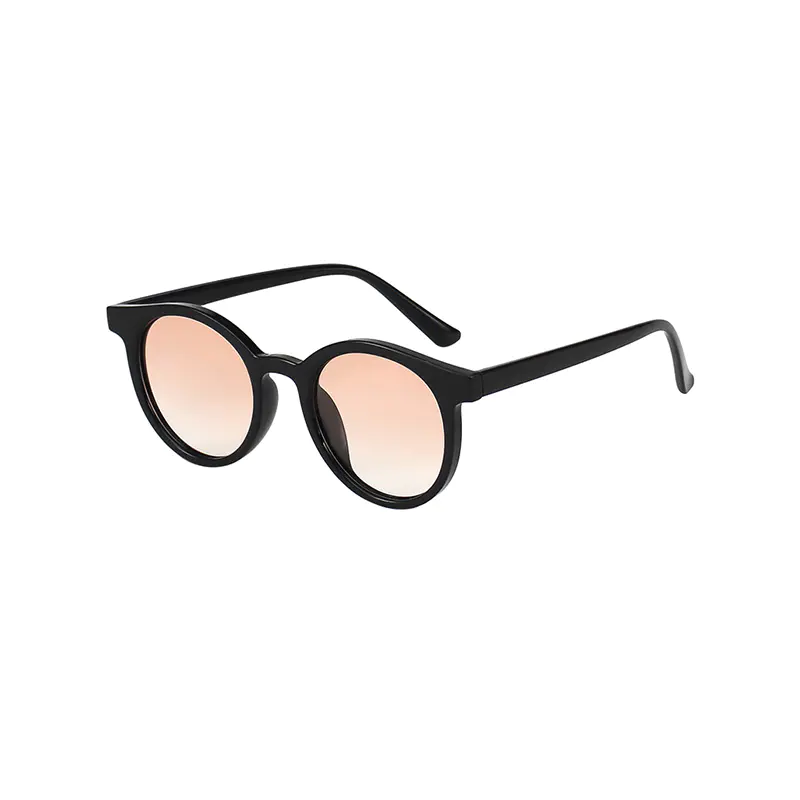
Why Contact Lenses Change What You Need From a Pair of Shades
People without contacts can usually grab almost any sunglasses shape and be fine. Contacts complicate things a little.
Dryness and Wind Exposure
A contact lens sits right on the surface of the eye. That means wind, dust, and dry air reach it more directly than they would a natural eye alone. Sunglasses with gaps around the sides or bottom let more of that irritation through, and it's not unusual for someone to notice their vision blurring partway through a walk or a bike ride because of it.
Glare Sensitivity
Some people feel more sensitive to bright light after switching to contacts, especially if they wore prescription glasses for years beforehand. It's a small adjustment, but it makes lens tint and coverage matter more than they might for someone who never dealt with this shift.
More Freedom in Frame Shape
Here's the upside: without a prescription lens to accommodate, contact lens wearers can pick from a much wider range of shapes and curvatures. Styles that would feel awkward or restrictive over prescription glasses suddenly become options.
Plenty of people who made the switch from glasses to contacts don't even realize how much this opens up. Where they once relied on clip-ons or prescription shades out of necessity, now almost anything on the shelf is fair game — which is freeing, but also a little overwhelming without some sense of what actually works.
Does Sunglasses Lens Size Really Change the Outdoor Experience?
Short answer: yes, and the difference can be more noticeable than many people expect.
Bigger Lenses Cover More Ground
A larger lens blocks light coming in from more angles, not just straight ahead. For someone wearing contacts, that broader coverage means less wind and glare sneaking in from the sides — and less dryness by the end of the day.
Small Lenses Leave Gaps
A narrow, minimalist lens might look sharp, but it often leaves more of the eye exposed around the edges. Without contacts, that gap just means a bit more squinting. With contacts, it can mean wind hitting the lens surface over and over throughout the day.
Bigger Isn't Automatically Better
Oversized lenses come with their own downsides. They can affect peripheral vision or become uncomfortable to wear after extended use. The aim is not simply a larger lens size, but a design that combines suitable coverage, comfortable weight, and a clear view from the sides.
Face Shape Plays Into This Too
Lens size doesn't exist in a vacuum. A size that covers one face beautifully might leave uneven gaps around the temples or brow on someone else. That's part of why sunglasses lines built for a wide audience usually need at least a couple of size variations rather than one fit for everybody, especially when the whole point is cutting down on irritation, not just looking good in a mirror.
Shopping for sunglasses tends to happen fast — a quick pick based on style or price, not a careful look at coverage. Contact lens wearers don't always connect their outdoor discomfort back to lens size specifically. A lot of people just assume some dryness outside is the price of wearing contacts. It doesn't have to be.
Lens and Frame Factors Worth Comparing
| Factor | Why It Matters for Contact Lens Wearers | Practical Consideration |
|---|---|---|
| Lens size and coverage | Cuts down wind and glare reaching the eye | Larger, wraparound styles offer broader protection |
| Frame material | Shapes weight and long wear comfort | Nylon frames tend to feel lighter over time |
| Lens curvature | Determines how closely the lens follows the face | Curved lenses close side gaps better than flat ones |
| Ventilation | Balances protection against fogging | Subtle vents help on hot or humid days |
What About Lens Color?
It plays a role, but it is only one part of the overall picture. Darker or polarized tints cut glare more effectively in bright conditions, which helps with the light sensitivity some contact lens wearers deal with. Color is a complement to good coverage, not a substitute for it.
Why Nylon Frames Work So Well for Active Wearers
Frame material matters more than people give it credit for, particularly outdoors or during exercise.
Lighter Frames, Less Fatigue
Nylon frames tend to feel noticeably lighter than a lot of the alternatives out there. Over a long day outside, that difference adds up — less pressure on the nose, less pinching behind the ears.
They Bend Instead of Break
Nylon flexes under stress rather than snapping. That flexibility helps it hold its shape through movement, accidental bumps, or the general wear and tear of active use, which rigid frame materials sometimes can't handle as gracefully.
Nylon or Acetate?
Acetate frames often lean into bold colors and a more structured, fashion-forward look. Nylon trades some of that visual variety for lightweight durability. Neither one wins outright — it comes down to matching the frame to how it's actually going to be used. A retailer selling both casual and performance lines should be upfront with buyers about this difference, since someone shopping for a trail run needs something different from someone shopping for a night out.
Matching Sunglasses to the Activity at Hand
- Running or cycling calls for wraparound coverage and a lightweight nylon frame that won't shift during movement
- Driving benefits from polarized lenses that cut glare bouncing off pavement and windshields
- Time near water calls for a secure fit that won't slip during splashing or sudden movement
- Everyday, casual wear allows more room to play with size and style, since the exposure is lighter than dedicated sports use
Here's the thing many people overlook: one day can include several different sunglasses needs, such as a morning run, a commute, or time spent near the pool, while many people rely on a single pair or a small collection. That mismatch is exactly why retail buyers increasingly look for product lines flexible enough to handle a few scenarios reasonably well, instead of building narrowly around just one use case.
How Should Buyers Approach Sourcing?
For retailers, outdoor brands, or bulk buyers building a line around this need, the sourcing checklist is fairly practical: confirm lens size options actually deliver enough coverage, check frame material and consistency across batches, and find out whether the manufacturer can flex on customization for different sports or lifestyle categories.
What Should a Sports Sunglasses Manufacturer Actually Deliver?
Buyers working with a Sports Sunglasses Manufacturer usually want more than a finished product sitting on a shelf. A few things tend to separate a reliable partner from a risky one:
- Lens size and curvature specs that hold steady from batch to batch
- Nylon frame construction that can take real movement and stress
- Room to adjust tint, coating, or coverage depending on climate or activity
- Support for private label work or custom design requests
A single great sample doesn't guarantee the next ten thousand units will match it. Buyers placing bulk orders should ask directly how a manufacturer keeps lens size, frame flexibility, and build quality consistent across a full production run, rather than assuming the early samples tell the whole story. Running a short pilot batch before committing to full volume tends to surface inconsistencies that a single approved sample would never reveal on its own.
Common Missteps Worth Avoiding
Picking Style Over Coverage
It's tempting to choose sunglasses purely on looks. A striking pair with barely any wraparound protection might satisfy a style itch while quietly underperforming outdoors, especially for someone whose eyes are already more sensitive because of contacts.
Assuming Every Nylon Frame Is the Same
Not all nylon is created equal. Manufacturing quality varies enough that two frames made from the "same" material can feel completely different in flexibility, weight, and how long they last. Testing samples matters more than trusting the material label alone — a spec sheet says nylon, but only a few days of real wear says whether that particular batch of nylon holds up.
Chasing Size Without Thinking About Airflow
Choosing an oversized lens without paying attention to airflow can cause fogging during demanding activities. A well-designed pair balances broad coverage with just enough airflow to keep that from happening. This is easy to miss in a store, where frames are usually tried on without much physical activity, but the issue becomes noticeable when the sunglasses are used during a run or ride.
Skipping Real Fit Testing
Lens size and shape may appear ideal in a product photo, yet feel uncomfortable or unsuitable when placed on a real face. Real-world fit testing — samples, trial units, honest sizing guidance — closes that gap between what looks right and what actually feels right once someone's wearing it. Photos flatten everything into one angle; a face has curves a catalog image can't show.
Why This Detail Gets Skipped So Often
Nobody sets out to buy sunglasses that fail them outdoors. It just happens quietly. Someone grabs a pair off a rack, likes the color, checks the price, and walks out — coverage never even entering the conversation. For a contact lens wearer, that's the exact decision that turns into three months of low-grade eye irritation nobody bothers to trace back to its actual source.
Part of the problem is that sunglasses shopping doesn't feel like a functional decision the way, say, buying running shoes does. Nobody thinks of it as gear. It gets filed under accessories, alongside sunglasses that exist purely to complete an outfit. For anyone dealing with the specific sensitivities that come with contacts, that mental framing is worth dropping.
A Few Questions Worth Asking Before Buying
- Does the lens wrap far enough around the side of the face to block wind from the temple angle?
- Does the frame sit close enough to the brow to stop light leaking in from above?
- Is the material light enough to forget about after two or three hours of wear?
- Does the shape leave the lower cheek area exposed, or does it close that gap too?
None of these questions require special expertise to answer. They just require actually trying the sunglasses on and paying attention, rather than glancing in a mirror for five seconds and moving on.
Bringing It All Together
Choosing sunglasses for contact lens wearers is not about focusing on a single feature, but about finding a balance between different needs. It's the combination — lens size, frame material, coverage, ventilation — working together to cut down on wind exposure, glare, and dryness during time outside. A well-matched pair built around solid coverage and a lightweight, flexible frame like nylon holds up far better across a long day than something stylish but poorly fitted, with gaps letting the wind straight in. Getting that balance right takes attention to more than one variable at a time, not a single spec chosen in isolation and hoping the rest falls into place. It's a slower way to shop, admittedly, but it's the difference between sunglasses that actually do their job outdoors and a pair that just sits nicely on a face in a mirror. For brands, retailers, and buyers looking to source sunglasses built around this exact need, reaching out to Zhejiang Yani Eyewear Co., Ltd. is a practical next step for exploring lens size options, frame materials, and production capabilities suited to specific markets and use cases.
 PREV:
PREV:Blue Light Reduction Glasses for Programmers: Do They WorkNEXT:
How to Choose Sunglasses Lens Size for Clear Lenses?
Your email address will not be published. Required fields are marked *
CATEGORY
NEW PRODUCTS


You can contact us at any time, and we will reply to you within 24 hours.
- 3-11, Optical Mall, No. 777, Huancheng North Road, Duqiao Town, Linhai, Taizhou City, Zhejiang, China.
- +86-576-85885058
- +86-18258841999
- yani@yaniglasses.com
Custom Fashionable Sunglass Manufacturers
