

 English
 русский
 Français
 Español
 عربى
عربى


Blue Light Reduction Glasses for Programmers: Do They Work
Aug 14,2026
Eyes burning by mid-afternoon, a dull headache creeping in after hours staring at a code editor, vision that feels blurry the moment you finally look away from the screen — anyone who codes for a living knows this feeling well. Blue Light Reduction Glasses are widely marketed to this audience, but whether they actually address the discomfort they are meant to help with, rather than simply serving as a tech-oriented accessory, deserves a more balanced answer than typical marketing copy provides. The truth sits somewhere between "miracle fix" and "pointless gimmick," and it's worth actually unpacking that middle ground.
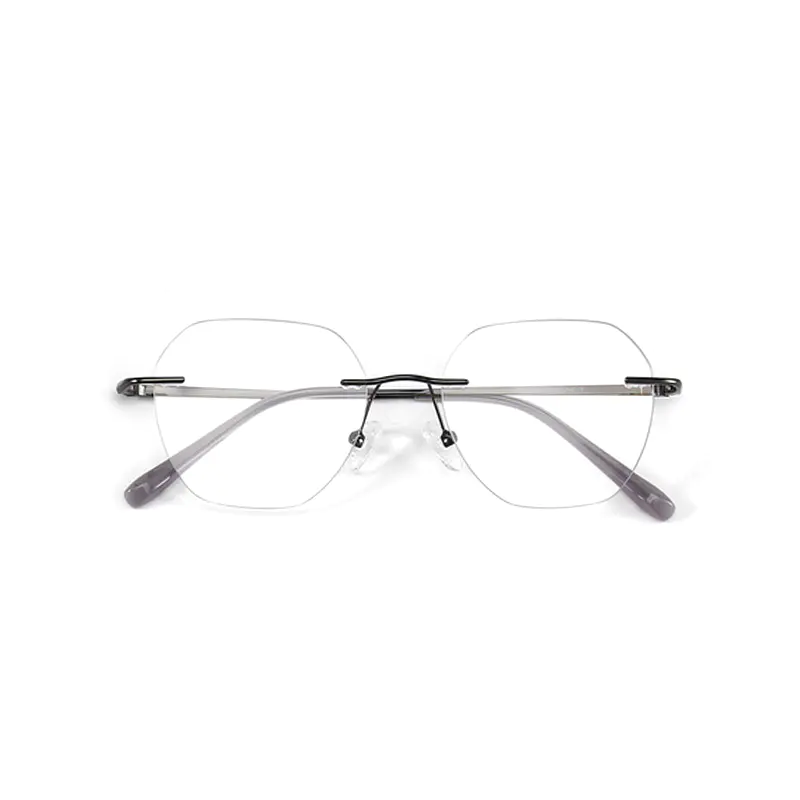
What's Actually Causing Eye Strain During Long Coding Sessions?
Before evaluating whether these glasses help, it's worth understanding what's really happening during a long stretch in front of a screen, since blue light is only part of a larger picture.
Reduced Blinking Dries Out the Eyes
People blink significantly less often while focused intently on a screen, which reduces the natural moisture that normally keeps eyes comfortable. This dryness contributes heavily to the burning, gritty feeling programmers often blame entirely on screen brightness or blue light exposure.
Fixed Focal Distance Fatigues Eye Muscles
Staring at a single, unchanging distance for hours forces eye muscles to hold a fixed focus far longer than they're naturally built for. This muscular fatigue plays a real role in the tired, strained feeling that builds over a long coding session, independent of anything happening with screen color or brightness.
Screen Brightness and Contrast Settings Matter More Than People Assume
- Overly bright screens in dim rooms create harsh contrast that strains the eyes
- Poor contrast between text and background forces extra visual effort to read clearly
- Glare from overhead lighting or windows adds another layer of visual stress
- Small font sizes commonly used in code editors demand more intense visual focus
Where Blue Light Actually Fits Into This Picture
Blue light exposure is a real, measurable factor, but it's one piece among several contributing to screen-related eye strain, not the sole cause. Addressing blue light alone, while ignoring blink rate, screen brightness, and posture, only solves part of the actual problem programmers are dealing with.
This is really the crux of the confusion surrounding these glasses. Marketing tends to isolate blue light as the villain, when the actual experience of screen fatigue comes from several factors acting together, and no single fix addresses all of them at once.
Do Blue Light Reduction Glasses Genuinely Help?
This is really the core question behind the whole topic, and the honest answer sits somewhere between marketing hype and outright dismissal.
They Filter a Portion of Blue Wavelength Light
Blue Light Reduction Glasses work by filtering out a portion of blue wavelength light before it reaches the eye. This filtering effect is measurable and real, even if the degree of filtering varies considerably between different lens coatings and manufacturers, which is exactly why comparing products purely by name or category can be misleading.
Comfort Improvements Are Often Reported, Even Without Dramatic Change
Many programmers who wear these glasses during long sessions report feeling less visual fatigue by the end of the day. Some of this improvement likely comes from the blue light filtering itself, while some may come from a psychological effect of feeling proactive about eye comfort, or from other design features like anti-reflective coating that often ships alongside the blue light filter.
They Don't Address Every Cause of Screen Fatigue
Since blue light is only one contributing factor to overall eye strain, these glasses won't fully resolve discomfort caused by dry eyes, poor screen brightness settings, or prolonged fixed focal distance. Treating them as a complete solution, rather than one helpful piece of a broader eye comfort strategy, sets unrealistic expectations.
Why Individual Response Varies So Much
Sensitivity to blue light and screen fatigue in general varies significantly between individuals. Some programmers notice a clear difference wearing these glasses during long sessions, while others notice little change at all. This variation isn't a sign the glasses don't work in general, it simply reflects how differently people's eyes respond to the same underlying stimulus.
What Misconceptions Come Up Most Often About These Glasses?
Several recurring misunderstandings can influence how people decide whether Blue Light Reduction Glasses are worth trying.
Assuming Stronger Tint Always Means Stronger Filtering
A more noticeably tinted lens doesn't automatically filter more blue light than a lighter, less visually obvious coating. Filtering effectiveness depends on the actual coating technology used, not how yellow or orange the lens appears to the naked eye.
Believing the Glasses Should Eliminate Eye Strain Entirely
Expecting complete relief can set these glasses up for disappointment, since eye strain during long coding sessions can come from several factors working together. A more realistic expectation is some reduction in one contributing factor, which is closer to what wearers may experience.
Assuming All Programmers Need the Same Lens Strength
Screen brightness habits, monitor setup, ambient lighting, and individual sensitivity all vary considerably between programmers. Treating this as a one-size-fits-all product category overlooks how much personal variation actually exists in what different people find comfortable.
How Do Blue Light Needs Differ Across Screen Use Scenarios?
Not every screen-heavy activity puts the same demand on the eyes, and understanding these differences helps explain why lens design varies across use cases.
Office Work and Programming Involve Extended Close-Range Focus
Programmers and office workers typically spend hours at a relatively fixed close-to-mid range distance from a screen, often while reading dense text in a code editor or document. Blue light glasses for office work tend to prioritize comfort during extended, steady focus sessions rather than rapid visual switching.
Reading Involves Similar but Slightly Different Demands
Blue light glasses for reading share overlap with office-focused designs, since both involve sustained close-range focus. Reading on a device, however, often happens in more varied lighting conditions, sometimes in bed with lower ambient light, which changes how glare and brightness interact with the eyes compared to a typical office setup.
Gaming Demands Rapid Visual Switching and Higher Screen Brightness
Blue light glasses for gamers often need to account for brighter screens, faster visual movement, and longer uninterrupted sessions compared to typical office work. Some gaming-focused lenses lean toward stronger blue light filtering given the generally higher screen brightness common in gaming setups.
Comparing Lens Priorities Across These Scenarios
| Use Case | Primary Visual Demand | Lens Design Priority |
|---|---|---|
| Programming and office work | Sustained close-range focus | Comfort during extended steady use |
| Reading | Close-range focus, variable lighting | Glare reduction, low-light comfort |
| Gaming | Rapid visual switching, bright screens | Stronger filtering, high contrast clarity |
Looking at the comparison, it becomes clear that "blue light glasses" is not a single, uniform product category. Lens design can vary depending on the visual demands of the activities someone spends much of their time doing.
Should Programmers Choose a Different Lens Than a Casual Reader?
Generally, yes, though the difference is more about degree than a completely different product. Programmers benefit from lenses optimized for extended, steady focus and glare reduction, since coding sessions often run longer and more continuously than casual reading sessions, sometimes stretching across an entire workday without much of a break in between.
Why Does Frame Design Matter Almost as Much as the Lens?
A lens might filter blue light effectively, but a poorly fitted or uncomfortable frame can undermine the entire point of wearing the glasses during long work sessions.
Weight Becomes Noticeable Over Extended Wear
A frame that feels comfortable at the beginning can become heavy or distracting during extended wear, which can be especially noticeable throughout a programmer's workday. Frame weight deserves careful consideration for anyone planning to wear these glasses for long periods.
Pressure around the ears or across the nose bridge may not be noticeable during a brief fitting, but it can become uncomfortable after extended wear. The difference between a quick impression and everyday comfort is why trying a frame over a longer period can provide a more useful sense of fit.
Nylon Versus Acetate Frames Offer Different Trade-Offs
Nylon frames tend to prioritize lightweight flexibility, which suits long wear sessions where comfort matters more than a bold aesthetic statement. Acetate frames often lean toward a more structured, fashion-forward look, sometimes at the cost of a slightly heavier feel during extended daily wear.
Fit Consistency Affects Long-Term Comfort
A frame that slips slightly or presses uncomfortably against the temples becomes a genuine distraction during focused work. Programmers spending hours at a screen benefit from a snug, stable fit that doesn't require constant readjustment throughout the day.
Does Lens Size Play a Role in Screen Comfort?
Lens size matters for blue light glasses in a way that parallels how it matters for sunglasses, though the reasoning differs slightly.
Larger Lenses Cover More of the Peripheral Field
A larger lens surface filters blue light across a broader portion of the visual field, including peripheral vision picking up ambient screen glow or overhead lighting. Smaller lenses filter effectively for direct central vision but leave more peripheral light unfiltered.
Programmers Often Benefit From Slightly Larger Coverage
Given how much peripheral screen and monitor light programmers encounter, particularly those running multiple monitors, slightly larger lens coverage tends to provide a more consistent filtering experience throughout a working session compared to a narrow, minimalist frame shape.
What Should Buyers Look for When Sourcing These Products?
For eyewear brands, retailers, and bulk buyers evaluating Blue Light Reduction Glasses for a product line, a few practical considerations separate a genuinely useful product from one relying purely on marketing language.
Steps worth confirming before committing to a supplier:
- Verify actual blue light filtering performance rather than relying on general marketing claims alone
- Confirm frame material options suit extended daily wear, prioritizing lightweight comfort where relevant
- Evaluate lens size options across different use case categories, office, reading, gaming
- Request samples to test actual comfort and fit before committing to bulk orders
- Confirm consistency of lens coating quality across production batches, not just a single approved sample
Why This Matters for Building a Credible Product Line
Eyewear brands entering this category benefit from positioning products honestly, acknowledging what blue light filtering genuinely helps with while avoiding exaggerated claims that promise complete elimination of screen fatigue. Buyers and end customers increasingly notice when marketing overstates a product's actual benefit, which can undermine trust across an entire product line rather than just the specific overstated claim.
Bringing Realistic Expectations Into a Genuinely Useful Product
Blue Light Reduction Glasses for programmers work better as one part of a broader eye comfort routine rather than a complete answer to every screen-related discomfort. Filtering blue wavelength light may address one factor linked to visual fatigue, while other factors, such as dry eyes, prolonged focus at a fixed distance, and unsuitable screen settings, can still affect comfort. Matching lens design and frame comfort to the specific demands of programming work, extended steady focus, multiple monitor peripheral exposure, long daily wear, tends to deliver a noticeably better experience than a generic, one-size-fits-all approach borrowed from casual reading or gaming products. Pairing these glasses with other habits, taking regular breaks, adjusting screen brightness, being deliberate about blinking during intense focus, rounds out a more complete approach than expecting the glasses alone to carry the full weight of eye comfort through a demanding workday. For eyewear brands and buyers looking to build or expand a product line around this genuine, well-supported need, reaching out to Zhejiang Yani Eyewear Co., Ltd. offers a practical way to explore lens filtering options, frame materials, and production capabilities suited to the programmers and screen-heavy professionals actually driving demand in this category.
 PREV:
PREV:How Does Sunglasses Lens Size Affect Yellow LensesNEXT:
Can Sunglasses Lens Size Guide Help Contact Lens Users
Your email address will not be published. Required fields are marked *
CATEGORY
NEW PRODUCTS



You can contact us at any time, and we will reply to you within 24 hours.
- 3-11, Optical Mall, No. 777, Huancheng North Road, Duqiao Town, Linhai, Taizhou City, Zhejiang, China.
- +86-576-85885058
- +86-18258841999
- yani@yaniglasses.com
Custom Fashionable Sunglass Manufacturers
