

 English
 русский
 Français
 Español
 عربى
عربى


How Does Sunglasses Lens Size Affect Yellow Lenses
Aug 21,2026
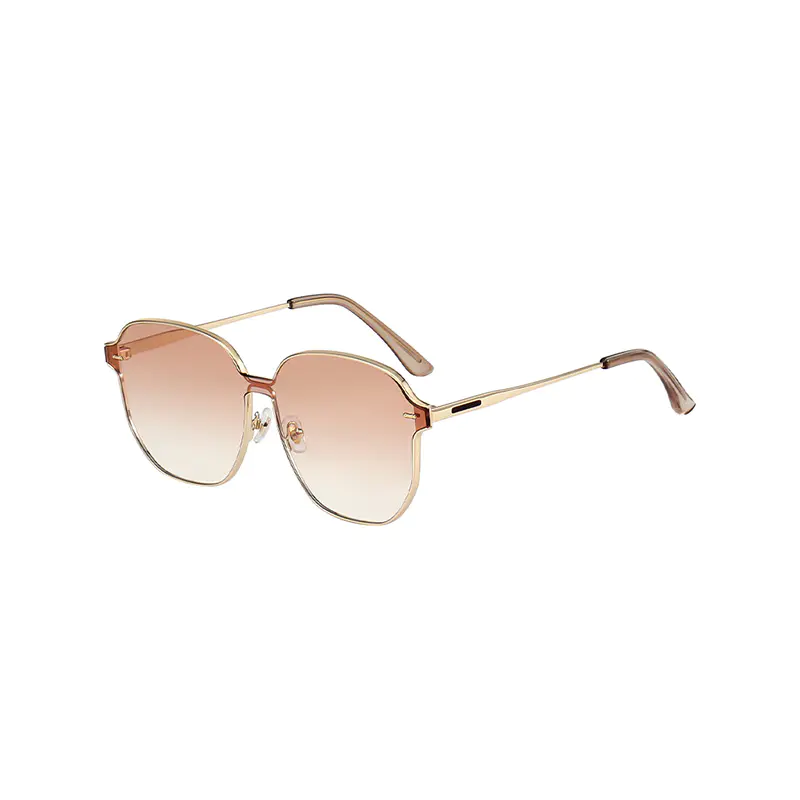
Put on yellow lens sunglasses and the view can take on a different character, with sharper edges, stronger contrast, and a warmer brightness even under overcast conditions. That visual shift is part of the appeal. Sunglasses Lens Size plays an important role in how the tint performs, since lens coverage can influence how the filtered view feels in different surroundings. The right balance between tint and coverage can make the eyewear feel purposeful rather than simply decorative.
What Are Yellow Lens Sunglasses Actually Doing to Your Vision?
Unlike darker tints built mainly to block brightness, yellow lenses work by shifting how contrast and light get processed before they reach the eye.
They Boost Contrast Rather Than Simply Dimming Light
A yellow tint filters out shorter blue wavelengths of light, which tends to sharpen contrast and make edges and shapes stand out more clearly. This is different from a gray or dark lens, which mostly just reduces overall brightness without changing how contrast reads.
Picture the difference this way: a gray lens turns down the volume on everything equally, while a yellow lens leaves the volume roughly the same but sharpens the individual notes. Objects don't necessarily look dimmer through a yellow lens, they look more defined against their background.
They Work Best in Low-Light or Overcast Conditions
Because yellow lenses boost contrast rather than blocking brightness, they perform particularly well in flat, overcast light where everything can otherwise start to look washed out and hard to distinguish. Bright, harsh sunlight is actually where yellow lenses make less sense, since they don't cut brightness the way a darker tint would.
This is exactly the kind of nuance that gets lost in casual marketing copy, which sometimes lumps yellow lenses in with general sunglasses as if they solve the same problem every other tint does. They don't, and setting that expectation correctly upfront avoids a disappointed customer wearing them on the wrong kind of day.
They Suit Specific Activities More Than General Everyday Wear
- Shooting sports benefit from the contrast boost that helps targets stand out against varied backgrounds
- Cycling in dawn, dusk, or overcast conditions benefits from improved depth perception
- Some drivers prefer yellow lenses for low-light or foggy driving conditions specifically
- Indoor or low-light sports occasionally use yellow tints for the same contrast-enhancing effect
None of these use cases overlap much with someone just running errands on a bright afternoon, which is worth keeping in mind when positioning this product to a general retail audience rather than a specific activity-focused customer base.
Why They Aren't a Universal Replacement for Darker Lenses
Yellow lenses simply don't block enough overall light for bright, sunny conditions, which means wearing them on a clear, high-glare day leaves eyes without adequate brightness protection. Matching lens color to actual lighting conditions matters more than picking a single tint and wearing it regardless of circumstances.
Anyone assembling a versatile eyewear collection benefits from thinking of yellow lenses as one specific tool among several, alongside a darker general-purpose lens, rather than as a single do-everything solution that replaces the need for anything else.
How Does Yellow Compare to Other Common Lens Tints?
Understanding where yellow fits among other common tint options clarifies when it's actually the right choice.
| Lens Tint | Primary Effect | Best Suited Conditions |
|---|---|---|
| Yellow | Boosts contrast, brightens perception | Overcast, low-light, dawn or dusk |
| Gray | Reduces overall brightness evenly | Bright, sunny, high-glare conditions |
| Brown or amber | Enhances contrast with some brightness reduction | Variable or partly cloudy conditions |
| Rose or red | Enhances contrast, moderate brightness reduction | Snow sports, variable light conditions |
Looking across this comparison, gray tints handle bright sun best, while yellow, brown, and rose tints all lean toward contrast enhancement with varying degrees of brightness reduction. Yellow sits at the far end of that spectrum, prioritizing contrast almost entirely over brightness control.
Does Everyone Notice the Contrast Effect Equally?
Not quite. Sensitivity to this kind of contrast shift varies between individuals, and some wearers notice a dramatic difference while others find the effect fairly subtle. This variation is worth mentioning honestly rather than assuming every wearer will experience the same dramatic improvement in visual clarity.
What Misconceptions Come Up Most Often About Yellow Lenses?
A few recurring assumptions shape how buyers evaluate this lens color, and clearing them up helps set realistic expectations.
Assuming Yellow Lenses Work Well in Any Lighting
Because the contrast effect can feel striking when someone tries these lenses, it is easy to assume they will suit every lighting condition. In practice, bright sunlight can reveal a key limitation: the lenses may not reduce brightness enough. That mismatch can leave a new buyer disappointed and may contribute to negative feedback.
Believing Darker Yellow Always Means Better Performance
A deeper yellow tint doesn't automatically deliver stronger contrast enhancement, and pushing the tint too dark can start reducing overall light transmission in a way that works against the lens's intended purpose. Tint depth needs to strike a balance rather than simply going as dark as possible.
Treating All Yellow Lenses as Functionally Identical
Manufacturing quality, coating consistency, and base lens material all affect how well a yellow tint actually performs, even among lenses that look similar in color. Two yellow lenses from different production runs can behave quite differently once tested under real conditions.
Why Does Sunglasses Lens Size Matter for Yellow Lens Performance?
This connection gets overlooked constantly, yet it directly affects how well a yellow lens actually performs in real conditions.
Larger Lenses Extend the Contrast Benefit Across a Wider Field
A larger lens surface applies that contrast-boosting effect across more of the visual field, including peripheral vision, rather than just the direct central view. Smaller lenses limit this benefit to a narrower window, which reduces the practical value of the tint itself.
Coverage Affects Consistency in Variable Light
Activities where lighting shifts quickly, cycling under tree cover, shooting sports with changing backgrounds, benefit from consistent coverage across the full field of vision. A smaller lens creates gaps where unfiltered light reaches the eye, undermining the steady contrast benefit the tint is meant to provide.
Think about riding through dappled shade on a trail, where light and shadow alternate rapidly. A narrow lens leaves peripheral vision exposed to that constant flicker, while broader coverage smooths the experience out considerably.
Frame Shape Interacts With Lens Size to Shape Overall Coverage
Sunglasses Lens Size doesn't operate independently from frame design. A wraparound frame with moderate lens size can sometimes deliver similar peripheral coverage to a larger lens in a flatter frame shape, which means buyers evaluating coverage should consider frame geometry alongside raw lens dimensions.
What Frame Considerations Matter for Yellow Lens Sunglasses?
Frame choice shapes the wearing experience just as much as lens color does, particularly for activities where these glasses see extended use.
Nylon Sunglasses Suit Active, Extended Wear
Nylon frames offer a light, flexible feel that can suit extended wear during cycling, shooting sports, and other outdoor activities where yellow lenses are commonly used. A heavier or more rigid frame may become uncomfortable during longer sessions, while nylon construction can provide a more adaptable fit.
This matters more than it might sound, since the whole point of choosing a performance-oriented tint gets undermined if the frame itself becomes distracting after an hour of wear. Comfort and lens performance really need to be evaluated together, not as separate considerations.
Secure Fit Matters More for Active Use Cases
Activities involving movement, cycling, running, active outdoor sports, benefit from a frame that stays securely in place without constant adjustment. A loose or poorly fitted frame undermines the whole point of a performance-oriented lens tint if the glasses keep shifting during use.
Constantly pushing sunglasses back up mid-activity isn't just annoying, it also breaks concentration at exactly the moments when clear, uninterrupted vision matters most, whether that's tracking a moving target or navigating a fast descent on a bike.
Ventilation Reduces Fogging During Active Sessions
Since yellow lenses often see use during cooler, low-light conditions rather than hot, bright days, fogging becomes a more relevant concern than it might be for standard sunny-day sunglasses. Frames with subtle ventilation features can help manage fogging without reducing the coverage that gives yellow lenses their intended function.
Fogging is more than a minor inconvenience. When a lens becomes misted during an activity, clear vision can be temporarily affected, making the eyewear less useful when it is needed. For that reason, ventilation deserves attention during the design process rather than being treated as an afterthought.
How Should Buyers Approach Sourcing Yellow Lens Sunglasses?
For retailers, sports brands, and bulk buyers evaluating yellow lens products, a few practical checks separate a genuinely useful product from one relying purely on color as a selling point.
Steps worth confirming before committing to a supplier:
- Verify actual contrast enhancement performance rather than relying on tint color alone as a marketing claim
- Confirm lens size options provide adequate peripheral coverage for the intended activity
- Evaluate frame material options, prioritizing lightweight comfort for extended active wear
- Request samples to test actual fit and coverage before committing to bulk orders
- Confirm consistency in tint quality and shade across production batches, not just a single approved sample
Working through this checklist before finalizing an order tends to surface mismatches early, while adjustments are still simple, rather than after a full production run has already shipped and reached retail shelves.
Why Batch Consistency Matters for This Specific Tint
Yellow tints are particularly sensitive to inconsistency, since even a slight shift in shade between production batches can noticeably change the contrast effect a wearer experiences. Buyers sourcing at volume benefit from confirming how a manufacturer maintains tint consistency across large orders, rather than assuming a single approved sample represents the full batch.
What Should a Sports Sunglasses Manufacturer Be Able to Support?
Buyers working with a Sports Sunglasses Manufacturer for a yellow lens product line typically look for a specific combination of capabilities: consistent lens tint and size specifications across orders, frame construction suited to active use, and flexibility to adjust coverage or frame design based on the specific sport or activity the product targets.
A manufacturer that can speak knowledgeably about how tint depth and lens size interact, rather than treating them as unrelated specifications on a form, tends to deliver a more coherent finished product than one simply filling an order to spec without understanding how the pieces fit together.
Bringing Contrast Performance and Coverage Together
Understanding what yellow lens sunglasses are actually for comes down to recognizing that the tint's contrast-boosting effect only delivers real value when paired with adequate lens size and a frame built for the conditions these glasses typically see, overcast light, active movement, and extended wear rather than bright, harsh sun. A yellow lens with too little coverage undersells its own contrast benefit, just as a well-sized lens paired with a poorly fitted frame undermines the comfort needed for the activities where this tint actually makes sense. None of these factors, tint, size, frame material, fit, function well in isolation, and treating them as a connected system rather than separate checkboxes tends to produce a genuinely useful product rather than one that only looks good in a marketing photo. For brands, retailers, and buyers looking to build or expand a yellow lens sunglasses line suited to genuine performance use cases, reaching out to Zhejiang Yani Eyewear Co., Ltd. offers a practical way to explore lens tint consistency, sizing options, and frame construction suited to the specific activities and conditions driving demand for this category.
 PREV:
PREV:What Storage Problems Can Fold Down Sunglasses Help SolveNEXT:
Blue Light Reduction Glasses for Programmers: Do They Work
Your email address will not be published. Required fields are marked *
CATEGORY
NEW PRODUCTS
-
Oct 02,2026
-
-

You can contact us at any time, and we will reply to you within 24 hours.
- 3-11, Optical Mall, No. 777, Huancheng North Road, Duqiao Town, Linhai, Taizhou City, Zhejiang, China.
- +86-576-85885058
- +86-18258841999
- yani@yaniglasses.com
Custom Fashionable Sunglass Manufacturers
