

 English
 русский
 Français
 Español
 عربى
عربى


What Storage Problems Can Fold Down Sunglasses Help Solve
Aug 28,2026
Packing for a trip has a way of revealing how much space small personal items quietly take up. Sunglasses are easy enough to carry on their own, but their rigid shape can make them awkward to fit into a backpack, travel bag, jacket pocket, or a compact storage compartment.
They need protection from scratches and pressure, yet a bulky case can turn into its own storage headache. This is where Fold Down Sunglasses offer a practical design approach worth considering.
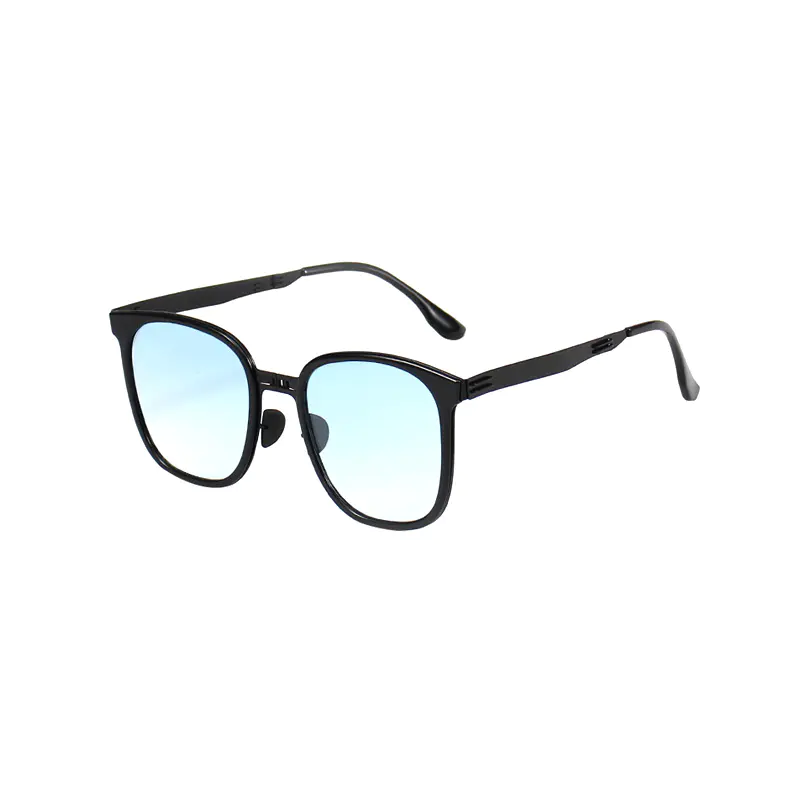
Instead of keeping the frame locked in one fixed position, a folding structure lets the product shrink down when nobody's wearing it. The idea sounds simple on paper, but it can genuinely change how sunglasses fit into someone's everyday packing habits.
For travelers and outdoor users, the benefit isn't just about carrying less overall. It's also about making better use of small spaces already crowded with phones, wallets, keys, chargers, cameras, and other personal gear.
Why Can Sunglasses Create Storage Problems During Travel?
Sunglasses need to stay comfortable and stable while worn, so their frames have to hold a useful shape during use. That same structure turns into a nuisance the moment the glasses get packed away for later.
A rigid frame can eat up more room than someone expects because it can't bend or shift to follow the shape of a crowded bag around it.
| Storage Situation | Common Challenge |
|---|---|
| Backpack pocket | Limited space around other items |
| Travel pouch | Rigid objects compete for room |
| Jacket pocket | Frame can feel bulky |
| Outdoor gear bag | Many small items need to share the same space |
| Vehicle storage | Compact compartments may have irregular shapes |
Travelers often carry sunglasses alongside other items they reach for constantly throughout the day. If the glasses just get tossed loose into a bag, they can end up exposed to pressure or contact with harder objects rattling around nearby.
A protective case helps with that, but the case itself takes up additional room someone has to account for. That creates a familiar trade-off travelers know well: protection on one side, fitting naturally into the available space on the other. A folding frame chips away at part of this problem by letting the sunglasses take up a smaller shape whenever they aren't in use.
How Does a Folding Structure Change Packing Habits?
The main idea behind Fold Down Sunglasses is that the frame can shift into a more compact position for storage rather than staying rigid year-round. The user wears the glasses in their normal open position throughout the day.
Once the glasses aren't needed anymore, the folding structure lets the frame close up before it goes into a bag or pocket. That creates two practical states worth thinking about separately.
| Use State | Storage State |
|---|---|
| Open frame | Folded frame |
| Ready for wearing | Prepared for carrying |
| Full frame shape | More compact arrangement |
| Positioned on the face | Stored with other items |
The change can look small when you're just holding the product in your hand. It becomes a lot more noticeable once someone is packing several items into a tight space.
A folded frame can slide into a smaller pocket or sit organized alongside other compact accessories instead of hogging room on its own. The design also cuts down on the habit of leaving the glasses balanced across the top of a bag where they're at risk of falling out or getting crushed. That gives travelers one more option for arranging their personal gear sensibly.
Can Fold Down Sunglasses Help Save Backpack Space?
Backpacks often end up holding items with wildly different shapes stuffed in together. Clothing can be compressed or folded into odd corners without much fuss.
Soft accessories tend to bend and fit around other objects without complaint. Rigid products don't have that same flexibility. Sunglasses fall into that second, trickier group since their frame and lenses need to hold their shape during normal use, not squish down like a shirt.
A folding design brings a bit more flexibility into the whole packing process.
| Backpack Area | Possible Folding Sunglasses Benefit |
|---|---|
| Small accessory pocket | Easier placement |
| Side compartment | More flexible organization |
| Travel pouch | Reduced frame footprint |
| Outdoor equipment section | Easier separation from larger gear |
| Personal item compartment | More room for other accessories |
This doesn't mean folding sunglasses do away with the need for careful packing altogether. They still need storage that protects the lenses and frame from getting scratched or bent out of shape.
The folding function simply hands the user more control over how the glasses occupy whatever space is left. For travelers who already juggle plenty of small accessories, that can make bag organization feel a bit less frustrating on a rushed morning.
Why Is Portability Important for Outdoor Life Sunglasses?
Outdoor activities tend to involve conditions that shift throughout the day without much warning. A person might wear sunglasses while walking, cycling, sightseeing, camping, or spending an afternoon near the water.
At other moments during the same trip, the sunglasses simply aren't needed. That back-and-forth means the product has to move between use and storage over and over, not just once at the start and end of a day.
Outdoor Life Sunglasses built with a practical folding structure fit that pattern well, since the glasses can open up when needed and fold down the moment someone wants them out of the way.
The portability benefit gets more useful as the user shifts between different activities in the same stretch of time. A traveler might walk through a bright outdoor plaza and duck into an indoor museum shortly after. A camper might wear sunglasses through the middle of the day and put them away while setting up a tent or cooking dinner.
A cyclist might want to keep the glasses within reach without letting them hog unnecessary space in a small bag mounted on a bike. The folding mechanism gives the user another way to manage these shifts smoothly, keeping the glasses close at hand without needing a large dedicated storage spot carved out just for them.
How Can Fold Down Sunglasses Improve Outdoor Gear Organization?
Outdoor gear has a habit of piling up fast once a trip actually starts. A small backpack might end up holding water, snacks, clothing layers, navigation tools, personal electronics, first-aid supplies, and a handful of other accessories all at once.
Every additional rigid item makes the internal arrangement a little harder to manage cleanly. Folding sunglasses tend to be easier to organize simply because their storage shape is noticeably more compact than their wearing shape.
| Gear Category | Organization Approach |
|---|---|
| Sunglasses | Fold and place in a protected area |
| Clothing | Compress or layer around larger items |
| Electronics | Keep in dedicated compartments |
| Personal accessories | Group into small pouches |
| Outdoor tools | Keep separate from fragile items |
Organization tends to go smoother when each item has a predictable home inside the bag. A pair of Fold Down Sunglasses can be assigned to a small accessory compartment rather than tossed randomly between bulkier pieces of gear.
That also makes the glasses easier to find in a hurry. Instead of digging through the main section of a backpack while a friend waits, the user already knows exactly where the folded frame lives. Small improvements like this can make travel preparation feel a lot more manageable overall.
Do Nylon Sunglasses Offer Advantages for Portable Storage?
Material choice also shapes how sunglasses behave once they're on the move. Nylon Sunglasses often get associated with lightweight frame designs built with outdoor use in mind.
How suitable a particular frame material actually is depends on the product design and the application it's meant for. For storage purposes, the important thing is that material choice works together with frame construction rather than competing against it.
| Design Element | Storage Consideration |
|---|---|
| Frame material | Influences overall handling |
| Folding joints | Need to support repeated opening and closing |
| Lens structure | Requires suitable protection |
| Frame shape | Affects how the folded product fits |
| Surface finish | Can influence contact with other items |
A folding structure doesn't remove the need for sensible material choices elsewhere in the design. The frame still needs to open and close in a controlled way, cycle after cycle, without feeling loose or fragile.
It should also hold its intended shape during ordinary use rather than warping over time. For manufacturers, pairing a suitable material with a practical folding design can help create sunglasses that are genuinely easier to carry without turning the product into something fiddly or overengineered.
How Can Folding Sunglasses Fit Different Travel Scenarios?
Travel doesn't always mean a long-haul trip across the world. The same storage problem can show up during a short city visit, a weekend hike, a business trip, or just a daily commute to work.
Each situation carries its own packing habits shaped by how much space someone actually has available. A folding frame can adapt across these different environments because the product doesn't need to stay in its full wearing shape while it's sitting in storage.
Air Travel
Passengers often deal with limited personal storage space crammed under a seat or in an overhead bin. Folded sunglasses can slip into a small accessory area instead of taking up room across the main compartment of a carry-on.
Road Trips
A vehicle can offer convenient storage areas, but small compartments still get crowded fast with everyone's personal items piled together. A compact folded frame tends to be easier to organize alongside those other accessories.
Hiking
Hikers often need gear kept close at hand while still managing backpack space with real care. Foldable sunglasses can get tucked away when the sun dips behind clouds, without turning into a bulky rigid object taking up room inside the pack.
City Travel
Sightseeing often means moving back and forth between outdoor and indoor locations throughout the day. The ability to fold and store the glasses makes those transitions a lot smoother to manage on the fly.
The real value of the design comes from this flexibility across situations rather than from fitting just one specific travel scenario perfectly.
What Should Manufacturers Consider When Developing Fold Down Sunglasses?
For manufacturers, folding sunglasses call for attention to both the wearing experience and the storage experience at once. The folding mechanism needs to hold up under repeated use without turning the frame into something fiddly to handle.
The open position should feel natural the moment the sunglasses go on someone's face. The folded position needs to stay stable enough for ordinary storage too, not just look neat in a product photo.
| Product Area | Development Consideration |
|---|---|
| Folding structure | Easy movement between open and folded states |
| Frame design | Comfortable everyday handling |
| Joint construction | Suitable for repeated folding |
| Lens protection | Appropriate storage consideration |
| Material selection | Matches intended lifestyle |
| Overall form | Supports portable use |
The product also needs to be easy for users to understand without a manual. A complicated folding process can quietly undercut the practical value of an otherwise compact design.
Simple movement tends to matter more for travelers who need to put their sunglasses away in a hurry, not fumble with a stiff hinge while juggling bags. Manufacturers can also think about how the folded product will interact with cases, pouches, packaging, and retail displays. The storage shape is part of the overall product experience, not just a mechanical footnote tucked into the specs.
How Can Outdoor Users Organize Sunglasses More Effectively?
Good storage habits still matter even once sunglasses come with a folding structure built in. Users can build a simple routine that protects the product while keeping it easy to grab when needed.
Choose a Dedicated Storage Location.
A small pouch or suitable compartment can keep the glasses from knocking around with keys and other hard objects during transit.
Fold the Frame Before Storage.
Doing this lets the product settle into its intended compact position rather than sitting half-open and awkward.
Keep Lenses Away From Rough Surfaces.
The lenses shouldn't sit pressed directly against objects that could scratch or mark them over time.
Keep the Storage Area Clean.
Dust and debris can create unnecessary contact between the glasses and whatever else is sharing that pocket or pouch.
Store the Glasses Where They Can Be Reached Easily.
A sensible storage spot cuts down on the need to unpack an entire bag just to find the sunglasses again.
These habits apply across different types of sunglasses, not just folding styles. They are especially relevant for people who switch between wearing and storing their glasses throughout the day.
Taken together, Nylon Sunglasses, Outdoor Life Sunglasses, and Fold Down Sunglasses are worth viewing through a practical travel lens rather than as separate marketing labels. The frame material, outdoor application, and folding structure each shape how the product actually fits into someone's everyday carrying routine.
 PREV:
PREV:How Do Fold Down Sunglasses Fit Modern Travel GearNEXT:
How Does Sunglasses Lens Size Affect Yellow Lenses
Your email address will not be published. Required fields are marked *
CATEGORY
NEW PRODUCTS
-
-
Oct 02,2026
-

You can contact us at any time, and we will reply to you within 24 hours.
- 3-11, Optical Mall, No. 777, Huancheng North Road, Duqiao Town, Linhai, Taizhou City, Zhejiang, China.
- +86-576-85885058
- +86-18258841999
- yani@yaniglasses.com
Custom Fashionable Sunglass Manufacturers
