

 English
 русский
 Français
 Español
 عربى
عربى


How Can Nylon Vs Acetate Frames Affect Frame Selection
Sep 25,2026
Choosing an eyewear frame is genuinely about more than color and shape alone. The material can influence how a frame feels on the face, how it responds to daily handling, and how easily it can be shaped into different designs on the production line.
Two materials that often appear in eyewear discussions are nylon and acetate. They can both get used for fashion glasses, sunglasses, and other frame styles, but they offer genuinely different characteristics worth understanding. Grasping those differences can help consumers choose frames that fit their habits, while giving eyewear buyers and manufacturers a genuinely clearer basis for product planning.
For B2B buyers, the material decision also affects production methods, customization options, finishing, and product positioning in the market. A frame designed for sports use may have genuinely different material needs from one created mainly around fashion or visual style.
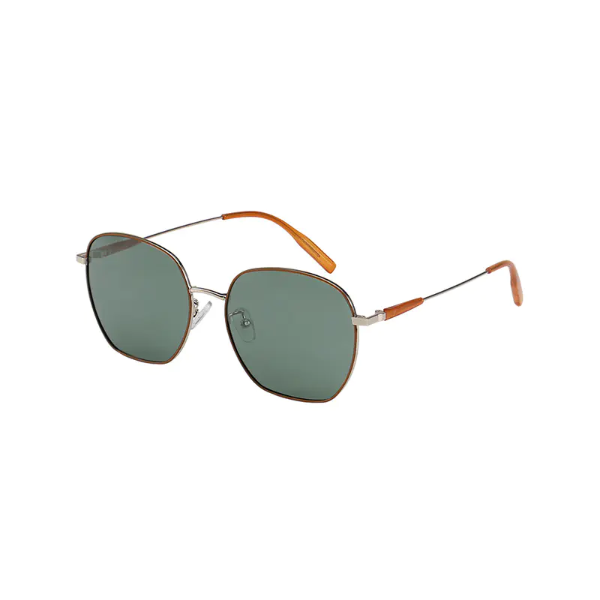
What Are Nylon and Acetate Frames?
Nylon frames are made from nylon-based plastic materials that can provide a combination of flexibility, light weight, and resistance to everyday handling on the go. The material is often considered for eyewear that needs to accommodate active movement or a genuinely lighter wearing experience throughout the day.
Acetate frames are made from cellulose acetate, a plant-based plastic material commonly used in eyewear production. Acetate can be produced in a genuinely wide range of colors and patterns, making it useful for fashion-oriented frame designs sold in boutiques.
The two materials can both get shaped into different frame styles, but their characteristics aren't genuinely identical once you handle them side by side.
| Frame Material | Common Characteristics |
|---|---|
| Nylon | Flexible, lightweight, suitable for active use |
| Acetate | Color variety, visual depth, suitable for fashion designs |
| Nylon-based frame | Practical for movement-focused applications |
| Acetate frame | Useful for style-focused customization |
The final frame also depends on construction, shape, hinges, lenses, finishing, and manufacturing quality throughout the process. Material alone doesn't determine the entire wearing experience a customer ends up with.
How Does Nylon Differ From Acetate in Flexibility?
Flexibility is one of the genuinely noticeable differences between the two materials when you bend a sample in each hand. Nylon can provide a flexible frame structure that responds to movement without feeling as rigid as some other frame materials on the market.
This characteristic can prove genuinely useful for sports sunglasses and eyewear intended for active lifestyles. A frame may need to handle repeated movement, outdoor activities, or frequent handling without feeling unnecessarily stiff against the temple.
Acetate can also have some flexibility built in, but its appeal often comes from the balance between structure and visual design instead. Depending on the frame construction, acetate can create a genuinely more substantial feel around the face that some wearers prefer.
For manufacturers, the choice depends on what the frame is genuinely expected to do once it leaves the factory.
| Design Need | Nylon Consideration | Acetate Consideration |
|---|---|---|
| Active movement | Flexible frame structure | Can work with suitable construction |
| Fashion styling | Supports various shapes | Strong option for color and pattern work |
| Lightweight feel | Often suitable | Depends on frame design |
| Structured appearance | Can provide a clean shape | Can create a more substantial look |
This makes flexibility a genuine design consideration, rather than a simple material competition decided by one property alone.
Which Material Feels More Comfortable for Daily Wear?
Comfort depends on genuinely more than frame material by itself. Frame weight, bridge design, temple shape, lens size, hinge construction, and how the frame fits the user's face can all affect the experience considerably.
Nylon can suit users who prefer a lighter frame with some flexibility built into the temples. This can make it appealing for daily commuting, exercise, travel, and other situations where the glasses may move frequently against the skin.
Acetate can provide a genuinely different wearing experience instead. Some users prefer the more solid feel associated with acetate frames, especially when the frame design gets built around a distinctive shape or thicker appearance around the rim.
A comfortable frame needs to genuinely match the individual wearer rather than a generic standard. For eyewear buyers, this means material selection should get considered together with the intended customer group from the start. A fashion collection may have genuinely different comfort expectations from a sports sunglasses collection sold in the same store.
Why Is Nylon Often Used for Sports Sunglasses?
Sports eyewear needs to cope with movement throughout a run or match. Frames may get exposed to bending, repeated handling, outdoor conditions, and changes in how the glasses sit on the face mid-activity.
Nylon can suit these requirements because its flexible nature can work genuinely well with movement-focused frame designs built for that purpose. It can also support lightweight structures, which may prove useful during activities where users don't want a heavy feeling around the face while running.
The frame shape still matters just as much, though. A suitable material can't compensate for poor fit or unsuitable construction on its own.
Sports sunglasses may need to consider frame flexibility alongside secure fit and lightweight handling throughout the design process. Lens protection deserves attention too, along with temple design and nose contact points. Resistance to everyday movement rounds out the list worth checking before a design ships.
Nylon is therefore often associated with practical and active eyewear applications sold to athletes. However, product design remains genuinely important regardless of material. Two nylon frames can feel genuinely different because their shapes and construction methods may not be the same at all.
Why Is Acetate Popular in Fashion Eyewear?
Acetate is often associated with fashion eyewear because it allows manufacturers and designers to work with colors, patterns, and layered visual effects that catch the eye on a shelf.
The material can get produced in different appearances, which gives brands and eyewear buyers genuinely more room to develop distinctive frame collections season after season. This can prove useful when appearance plays a genuinely important role in how a product gets positioned against competitors.
Acetate can also create a genuinely noticeable sense of structure once shaped. Frame thickness, color combinations, surface finishing, and shape can all contribute to the final appearance a customer notices first.
| Fashion Design Area | Acetate Application |
|---|---|
| Color | Supports varied color development |
| Pattern | Allows decorative visual effects |
| Frame shape | Can support different silhouettes |
| Surface finish | Offers several appearance options |
| Collection design | Supports visual differentiation |
For B2B buyers, these characteristics can make acetate genuinely useful when developing fashion-oriented eyewear collections aimed at style-conscious customers. The material doesn't automatically determine whether a frame looks fashionable, though. Design, proportion, color, lens choice, and finishing all remain genuinely important pieces of the puzzle.
How Do Nylon and Acetate Compare in Durability?
Durability is a genuinely broad term that means different things to different buyers. It can refer to resistance to bending, handling, surface wear, environmental exposure, or repeated daily use over years.
Nylon can suit products that experience frequent movement throughout their working life. Its flexibility can help the frame accommodate certain types of handling without behaving like a rigid structure that snaps under stress.
Acetate has its own durability characteristics and can provide a genuinely solid frame structure when properly manufactured from the start. Its suitability depends on the frame design and how the finished product actually gets used day to day.
For buyers, it's genuinely more useful to ask what kind of durability is needed, rather than simply asking which material lasts longer in the abstract. A sports frame may need to handle movement and repeated adjustment throughout a season. A fashion frame may need to maintain its shape and surface appearance during regular use at the office.
The application should therefore guide the material choice rather than a blanket assumption.
Does Frame Material Affect the Cost of Eyewear?
Material can influence production cost, but the final price of eyewear depends on genuinely many factors beyond the raw plastic. Frame construction, finishing, lenses, hinges, customization, packaging, production volume, and manufacturing requirements can all affect the overall cost that reaches the buyer.
Nylon may suit designs where lightweight construction and flexible handling are genuinely important priorities. Acetate can involve genuinely different processing and finishing requirements, especially when a frame includes detailed colors, patterns, or layered visual effects built into the material.
For B2B buyers, material cost should therefore get considered as part of the complete production process rather than in isolation.
| Cost Consideration | What Buyers Can Review |
|---|---|
| Raw material | Suitability for the planned frame |
| Processing | Cutting, shaping, and finishing needs |
| Design complexity | Effect of detailed frame construction |
| Customization | Additional production requirements |
| Order planning | Relationship between design and production workflow |
| Finishing | Surface treatment and appearance |
A lower material cost doesn't automatically create a lower total product cost once everything else gets factored in. The manufacturing process needs consideration as a whole, not piece by piece.
Which Material Offers More Customization Options?
Both nylon and acetate can support customization, but they may suit genuinely different types of customization depending on the goal. Nylon can prove useful when the focus sits on frame shape, lightweight construction, flexibility, and active-use design. This makes it relevant to sports eyewear and practical sunglasses sold at outdoor retailers.
Acetate can provide genuinely broader visual opportunities instead. Color combinations, patterns, frame thickness, and surface appearance can become genuinely important parts of the customization process for a fashion line.
A buyer developing a new eyewear collection can therefore begin by defining the product's purpose clearly. Defining the intended user comes first, followed by deciding whether the frame is for active or fashion-oriented use. Selecting the general frame shape matters next, along with considering weight and wearing comfort throughout. Choosing the material that supports the design follows naturally, with reviewing customization and finishing requirements closing out the process.
This approach avoids selecting a material based only on appearance or price without considering the actual use case.
How Does Material Choice Affect Manufacturing?
Manufacturing processes need to genuinely match the behavior of the selected material on the shop floor. Cutting, shaping, drilling, polishing, assembly, and finishing can all get influenced by material characteristics in ways that matter to output quality.
Nylon and acetate may require genuinely different production approaches because they respond differently during processing under heat and pressure. Tool selection, handling, heat control, surface treatment, and finishing can therefore become part of material planning from the earliest stage.
For an eyewear manufacturer, consistent production is genuinely important because a frame needs to maintain its intended shape and appearance across repeated production runs months apart.
Quality inspection can cover frame dimensions alongside shape consistency checked batch to batch. Surface condition deserves review too, along with color consistency and hinge installation. Lens opening matters, along with temple alignment and final assembly checked before boxing.
Material selection and manufacturing control should therefore get considered together rather than as separate decisions. A material may suit a particular design in theory, but the production process still needs to deliver a genuinely stable finished product every single time.
Can Nylon and Acetate Be Used for the Same Frame Styles?
In some cases, genuinely similar frame shapes can get produced using different materials side by side. However, the final result may feel and look genuinely different once it's in someone's hands.
A thick acetate frame may have a visual presence that changes considerably when the same general shape gets produced in nylon instead. A flexible nylon sports frame may also feel genuinely different from an acetate frame with a similar outline on a design sketch.
This difference can create genuinely useful opportunities for product development across a brand's catalog. Manufacturers can use the same general design idea while adjusting the material, thickness, finishing, or construction to target genuinely different customer groups with one core silhouette.
| Frame Style | Nylon Possibility | Acetate Possibility |
|---|---|---|
| Sports sunglasses | Well suited to flexible designs | Possible with suitable construction |
| Casual sunglasses | Suitable for lightweight styles | Suitable for varied visual styles |
| Fashion glasses | Can support modern shapes | Useful for color and pattern work |
| Everyday eyewear | Supports practical designs | Supports structured designs |
The choice depends on the intended product experience, rather than a universal material rule applied blindly across every style.
How Should B2B Buyers Compare Nylon and Acetate Frames?
B2B buyers usually need to think genuinely beyond one sample frame held in a showroom. They may be planning a collection, sourcing customized products, or evaluating materials for genuinely different customer groups across regions.
The comparison should therefore include product use, design goals, manufacturing needs, and expected customer preferences all together. Buyers can ask whether the product is intended for sports or everyday fashion, and whether the design requires a flexible frame throughout.
Whether color or pattern customization is genuinely important deserves a question too, along with how the frame should feel when worn on the face. What type of surface finish is required matters, along with whether the manufacturing process supports the selected material chosen. Whether different frame shapes will get produced from the same material rounds out the checklist worth working through.
These questions can help buyers communicate genuinely more clearly with eyewear manufacturers during the quoting stage. They also reduce the risk of selecting a material simply because it's familiar from a previous order rather than because it fits this one.
How Does Material Choice Affect Fashion and Sports Collections?
Different eyewear collections can have genuinely different design goals depending on the target shelf. A sports sunglasses collection may focus on movement, fit, and lightweight handling throughout, while a fashion collection may place genuinely greater attention on color, shape, and visual detail instead.
Nylon can fit naturally into movement-focused products because of its flexibility and lightweight potential built in. Acetate can support fashion collections where frame appearance, color development, and visual character stay genuinely important to the brand story.
There's also genuine room for overlap between the two worlds. A casual sunglasses collection may combine practical comfort with fashion styling in one product. A fashion frame may need to remain comfortable enough for extended daily wear at a desk job too.
Material selection should therefore follow the complete product concept, rather than getting tied to a single category by default.
What Should Consumers Look at When Choosing Between Nylon and Acetate?
Consumers can begin by considering how they plan to use the glasses day to day. Someone who spends genuinely a lot of time outdoors or takes part in active sports may place genuinely greater value on flexibility and light handling around the temples.
Someone choosing eyewear around clothing, color, or personal style may care genuinely more about frame appearance and customization on the shelf. Acetate can offer a genuinely wide range of visual choices, while nylon can support lightweight and movement-friendly designs built for motion.
Fit remains genuinely important in either case, regardless of material chosen. Consumers can check active use against flexibility and secure fit at the temple. Daily wear deserves a look toward comfort and frame weight on the nose. Fashion styling matters for color, shape, and surface appearance on the shelf. Outdoor use deserves attention toward frame handling and overall construction. Long-term use rounds things out, checking material condition and frame care over years of wear.
There's no single material that suits every wearer walking into a store. The right choice depends on how the frame will genuinely get worn and what qualities matter in that specific situation.
How Can Manufacturers Balance Material, Design, and Comfort?
A successful eyewear product needs several elements to genuinely work together rather than in isolation. Material provides the foundation, but shape, construction, finishing, and fit determine how that material actually becomes a finished frame someone wants to wear.
Nylon can provide flexibility and lightweight construction for active designs, while acetate can support visual variety and a structured feel for fashion lines. Neither characteristic should get considered separately from the intended use case.
Manufacturers can review the complete product during development at each stage. They can ask whether the material supports the frame shape chosen, and whether the construction feels comfortable on real faces during testing. Whether the surface meets the intended appearance deserves a check, along with whether production can remain genuinely consistent across the full run.
This approach can help manufacturers develop eyewear that's genuinely easier to position for different consumer groups and B2B markets simultaneously.
How Does Customization Influence the Nylon vs. Acetate Decision?
Customization can change the material decision because different materials support genuinely different production goals from the outset. A buyer looking for sports sunglasses may prioritize a flexible frame, a secure fit, and lightweight handling above all else. Another buyer developing fashion eyewear may place genuinely more attention on colors, patterns, frame thickness, and surface appearance instead.
Material selection can then follow those priorities naturally rather than getting decided first. For manufacturers, customization also needs to remain genuinely practical during production on the factory floor. A complicated frame shape or decorative finish may require additional processing and inspection time built into the schedule.
Clear communication between buyer and manufacturer can help establish genuinely realistic design expectations before tooling begins. A useful specification can cover frame purpose alongside target wearing situation clearly stated upfront. General shape deserves description too, along with material preference and color and surface requirements laid out plainly. Assembly requirements matter, along with packaging needs closing out the brief.
This gives both sides a genuinely clearer understanding of the product before production ever begins on the line.
How Should Nylon and Acetate Frames Be Maintained?
Both materials benefit from genuinely appropriate care throughout their working life. Dirt, oils, heat, pressure, and rough handling can affect the appearance or condition of an eyewear frame considerably over time.
Users should follow the care instructions supplied with their particular frames rather than guessing. Simple habits such as storing glasses safely in a case, avoiding unnecessary bending at the hinge, and keeping the frame clean can help preserve its condition for years.
Manufacturers and retailers can also provide clear care information alongside their products at checkout. This can help customers understand how the material may genuinely respond to everyday use once they leave the store.
For B2B buyers, care guidance can become part of the overall product experience offered to end customers. It can also help reduce avoidable damage caused by unsuitable handling after purchase, which cuts down on unnecessary returns.
How Does the Nylon vs. Acetate Choice Shape Eyewear Product Planning?
Nylon and acetate offer genuinely different paths for frame development from the ground up. Nylon can support flexible, lightweight, movement-oriented designs built for activity, while acetate provides genuinely broad opportunities for color, pattern, structure, and fashion-focused styling aimed at the shelf.
The difference matters for both consumers and B2B buyers because frame material influences genuinely more than appearance alone. It can affect comfort, manufacturing methods, customization, handling, and the way an eyewear collection gets positioned against competitors in the same market.
A practical material decision begins with the intended use case rather than a default habit. Sports sunglasses, everyday eyewear, fashion frames, and customized collections may each require a genuinely different balance of flexibility, appearance, comfort, durability, and production requirements suited to that specific product.
 PREV:
PREV:Your email address will not be published. Required fields are marked *
CATEGORY
NEW PRODUCTS



You can contact us at any time, and we will reply to you within 24 hours.
- 3-11, Optical Mall, No. 777, Huancheng North Road, Duqiao Town, Linhai, Taizhou City, Zhejiang, China.
- +86-576-85885058
- +86-18258841999
- yani@yaniglasses.com
Custom Fashionable Sunglass Manufacturers
