

 English
 русский
 Français
 Español
 عربى
عربى


Do Blue Light Reduction Glasses Help Improve Sleep Cycles
Jun 26,2026
Lying awake after a long evening of scrolling, working, or gaming, wondering whether the glasses sitting on the nightstand are actually doing anything for sleep, is a familiar moment for plenty of screen heavy households. Blue light reduction glasses get marketed as a fix for exactly this problem, yet the honest answer depends on details that many product pages skip over entirely, including when the glasses get worn, how much screen exposure happens beforehand, and what other habits surround bedtime. Sorting through what blue light actually does to the body, and where the evidence on these glasses stands, makes it easier to set realistic expectations before buying a pair.
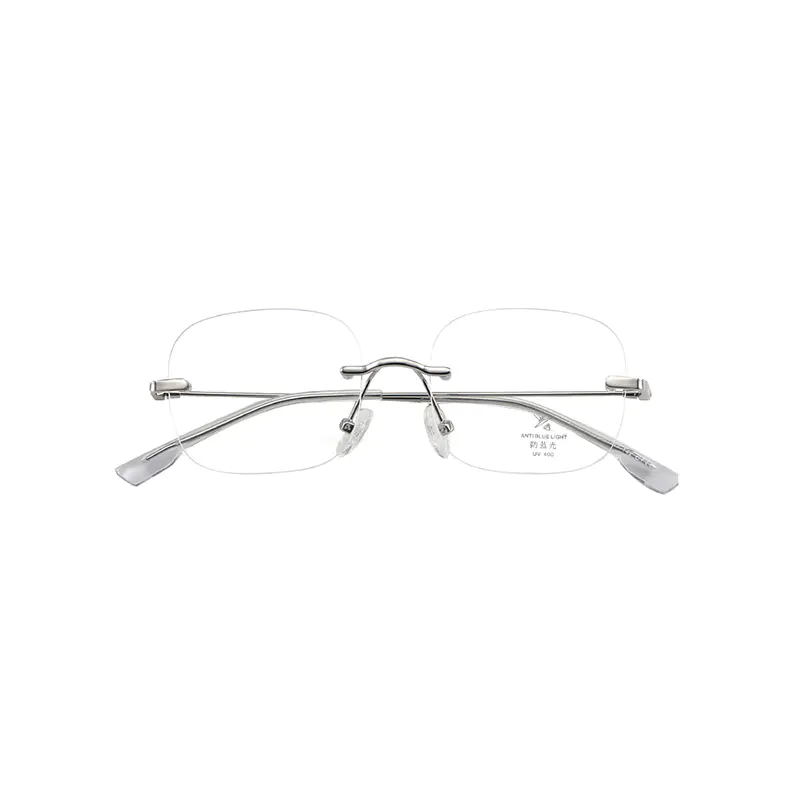
What Is Blue Light and How Does It Affect the Body?
Blue light sits at the shorter wavelength end of the visible spectrum, occurring naturally in daylight and artificially in the screens of phones, computers, and many household light sources. The body reads this wavelength as a cue tied to daytime alertness, which is part of why exposure during daylight hours generally causes no concern.
Once daylight fades, that same signal starts working against the body instead of with it. Specialized cells in the eye detect blue light and relay timing information to the brain region that governs the sleep wake cycle, and this is the pathway frequently blamed when evening screen use seems to delay tiredness.
Artificial light sources vary considerably in how much blue light they emit. Older incandescent bulbs produce relatively little compared with the cool white LED lighting and screen backlighting common in many households today, which partly explains why evening screen exposure draws so much more attention than evening lamp use ever did.
Does Blue Light Exposure Actually Disrupt Sleep?
The mechanism behind the concern centers on melatonin, the hormone the body releases as darkness sets in to help trigger sleepiness. Blue light exposure in the evening can suppress that release, signaling to the brain that it remains daytime even as the clock says otherwise.
- Screen use in the hour or two before bed tends to correlate with delayed sleep onset
- Brighter screens and closer viewing distance appear to intensify the effect
- Daytime blue light exposure does not carry the same disruptive pattern, since it aligns with the body's natural alertness cycle
- Individual sensitivity varies, with some people noticing little change in sleep timing regardless of evening screen use
These patterns explain why screen habits get blamed for sleep trouble, though they do not yet settle whether wearing filtering glasses meaningfully changes the outcome.
Does Individual Sensitivity to Blue Light Vary Between People?
Not everyone responds to evening screen exposure in the same way, and this variation helps explain why some people swear by filtering glasses while others notice no change at all. Differences in eye anatomy, age, and even genetics appear to influence how strongly a given amount of blue light suppresses melatonin release for any particular person.
Younger eyes generally let in more blue light than older ones, since the lens inside the eye naturally yellows somewhat over time, filtering part of that wavelength range on its own. This natural variation means a filtering lens that produces a noticeable benefit for one person might produce little detectable change for someone whose eyes already filter a meaningful portion of blue light before any glasses get involved. Trying a pair for a stretch of time, rather than expecting an immediate and obvious shift, gives a more honest read on whether it makes a personal difference.
How Do Blue Light Reduction Glasses Work?
These glasses use a tinted or coated lens designed to absorb or reflect a portion of the blue wavelength range before it reaches the eye, reducing the intensity of the signal that would otherwise reach those light sensitive cells. The tint can range from barely noticeable to a visibly amber or yellow cast, depending on how much filtering a particular lens provides.
Less blue light reaching the eye, in theory, means a weaker signal telling the brain it is still daytime, which should leave melatonin release less disrupted than it would be without any filtering at all.
Does Wearing These Glasses Actually Improve Sleep Quality?
Evidence on this question remains genuinely mixed, with no settled answer in either direction. Some research has found that wearing filtering lenses in the evening modestly improved subjective sleep quality or shortened the time it took participants to fall asleep, while other studies found no measurable difference between filtered and unfiltered lenses under similar conditions.
None of this means the glasses provide no benefit whatsoever, only that the evidence does not support treating them as a guaranteed fix on their own.
Could Part of the Benefit Come From Expectation Rather Than the Lens?
Expectation plays a documented role in how people experience many health and wellness interventions, and sleep is particularly sensitive to this effect since stress and anticipation about whether sleep will go well can itself interfere with falling asleep. Someone who believes a pair of glasses will help may relax more easily at bedtime simply because they expect a better night ahead.
This does not make the glasses worthless even if expectation accounts for part of the effect. A habit that genuinely helps someone wind down before bed, whatever the underlying mechanism, still provides practical value. The distinction matters mainly for setting realistic expectations rather than for deciding whether the glasses are worth trying at all.
Does Timing Change Whether These Glasses Make a Difference?
When the glasses get worn matters considerably more than simply owning a pair. Filtering lenses worn during the day provide little practical benefit, since daytime blue light exposure already aligns with the body's natural alertness pattern instead of working against it.
Wearing them specifically in the hour or two before intended sleep time targets the window when blue light exposure is more likely to interfere with melatonin release. A pair left unused until bedtime arrives, then put on only briefly before turning off the lights, captures far less benefit than consistent use throughout the pre sleep period. Building the habit of putting them on earlier in the evening, alongside other wind down routines, gives the filtering effect a realistic window to matter.
How Do Use Case Needs Differ Across Reading, Gaming, and Office Work?
Lens tint strength and frame design needs shift depending on when and how someone actually uses screens throughout the day, which is why glasses marketed for different scenarios tend to vary in filtering strength.
What Other Factors Influence Sleep More Than Blue Light Alone?
Glasses address one piece of a larger picture, and several behavioral habits tend to carry as much or more weight in determining sleep quality overall.
- Reducing overall screen time in the hour before bed, regardless of lens filtering
- Keeping bedroom lighting dim and consistent rather than bright until the moment of lying down
- Maintaining a consistent sleep and wake schedule across the majority of days in a week
- Avoiding mentally stimulating content, such as work email or intense games, close to bedtime
Treating glasses as one part of a broader evening routine, rather than a standalone fix, tends to produce more noticeable improvement than relying on the lenses alone while leaving every other habit unchanged. Someone who scrolls on a bright phone for hours right up until lights out, then puts on filtering glasses for the final few minutes, is unlikely to notice much benefit regardless of how effective the lenses themselves might be.
How Should Someone Choose the Right Pair for Their Needs?
Selecting a pair comes down to matching lens strength and frame design to actual screen habits instead of picking based on appearance alone.
Matching these details to actual habits, rather than assuming one pair suits every situation, makes it considerably more likely the glasses earn a place in a regular routine instead of sitting unused in a drawer.
Does Lens Color Affect How Comfortable Glasses Feel to Wear?
Stronger filtering tints tend to shift how colors appear on screen, sometimes noticeably enough to bother people who spend long hours doing color sensitive work or simply prefer an unaltered view. Lighter tints designed for daytime office comfort generally avoid this issue, since they filter a smaller portion of the visible spectrum.
Zhejiang Yani Eyewear Co., Ltd. produces blue light reduction glasses across reading, gaming, and office focused designs, with tint strength and frame options suited to the different exposure patterns described above. Anyone weighing whether a pair fits their own screen habits, or looking to replace a pair that never quite matched their evening routine, is welcome to look into the available options and find a design suited to their specific needs. Matching the right tint and frame to an actual daily routine, rather than guessing based on packaging alone, gives these glasses a fair chance to earn a lasting place in that routine.
 PREV:
PREV:Nylon Sunglasses Guide for Comfortable Contact Lens WearNEXT:
How Do Blue Light Reduction Glasses Help Office Work?
Your email address will not be published. Required fields are marked *
CATEGORY
NEW PRODUCTS



You can contact us at any time, and we will reply to you within 24 hours.
- 3-11, Optical Mall, No. 777, Huancheng North Road, Duqiao Town, Linhai, Taizhou City, Zhejiang, China.
- +86-576-85885058
- +86-18258841999
- yani@yaniglasses.com
Custom Fashionable Sunglass Manufacturers
