

 English
 русский
 Français
 Español
 عربى
عربى


How Do Blue Light Reduction Glasses Help Office Work?
Jun 19,2026
Extended screen time has a way of revealing itself gradually — a dull pressure behind the eyes by mid-afternoon, headaches that seem tied to particular kinds of work, difficulty refocusing after looking away from a monitor. For office workers who spend the majority of their day in front of digital displays, blue light reduction glasses have become a common response to these symptoms. But the category is wider than a single product, and the choice between different lens types, filter levels, and frame designs affects how well the glasses actually perform in practice. Office use, reading, and gaming each create different visual demands, and a pair suited for one context may underperform in another.
What Blue Light Is and Why Screens Produce It
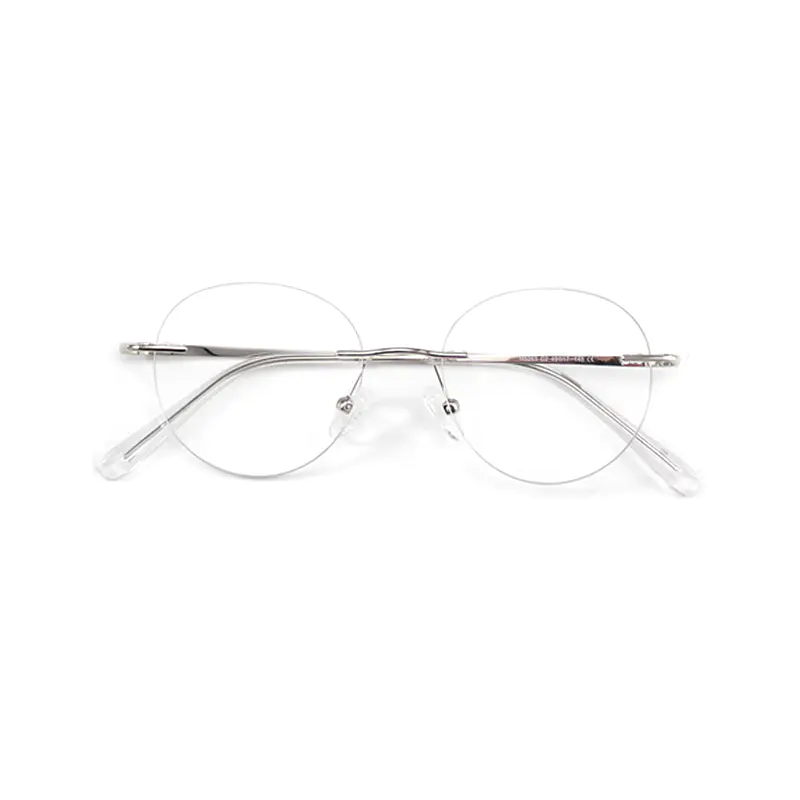
The Source of the Problem Is Not Just Screen Time
Digital screens emit light across a range of wavelengths, including a portion of the short-wavelength, high-energy visible light spectrum commonly referred to as blue light. This portion of the spectrum is also present in natural daylight, which is why prolonged outdoor exposure does not typically cause the same kind of fatigue that screen use does. The issue with digital devices is less the wavelength itself and more the combination of factors: the fixed focal distance, the high contrast between screen brightness and surrounding ambient light, the extended duration of focused attention, and the proximity of the screen to the eyes.
Blue light filtering lenses work by selectively absorbing or reflecting a portion of this short-wavelength light before it reaches the eye. The degree of filtering varies between products — clear lenses with a light coating filter a modest proportion, while amber or yellow-tinted lenses filter a larger proportion, with corresponding changes to how colors appear through the lens.
Why Office Work Creates Specific Visual Demands
Screen Distance, Duration, and Environment All Matter
Office work differs from casual screen use in several ways that are relevant to eyewear selection. The screen is typically at a fixed distance — usually at arm's length — for an uninterrupted stretch of several hours. The ambient lighting in many offices creates contrast between the bright screen and the dimmer surroundings, which requires the eyes to continuously adapt. Video calls add a second type of visual demand: looking at a screen while simultaneously processing facial expressions and responding verbally.
These conditions produce what is commonly described as digital eye strain — a pattern of symptoms including tired or dry eyes, difficulty maintaining focus, sensitivity to screen brightness, and headaches, particularly around the forehead and temples. Blue light glasses for office work address this pattern by reducing one of the contributing variables: the intensity of high-energy visible light reaching the eye continuously throughout the workday.
They do not eliminate eye strain entirely, because the other contributing factors — screen brightness, room lighting, screen distance, and blinking rate — remain. But for many office workers, reducing the blue light input is enough of a change to make extended screen sessions noticeably more comfortable.
How to Choose Blue Light Glasses for Office Work
Lens Color Is the Starting Point, Not an Afterthought
A visible difference between blue light filtering lenses lies in their tint. Clear lenses with a blue-light-filtering coating appear nearly identical to standard lenses under many lighting conditions. Amber or yellow lenses have a clear tint and cast a warm hue over everything seen through them.
For office work, clear or very lightly tinted lenses are generally the more practical choice, for a few reasons. Office environments often involve tasks where accurate color perception matters—reviewing documents, working with design files, or assessing presentations. A strong amber tint shifts the perceived color balance enough to create its own difficulties in color-sensitive work. The filtering effect of a clear coated lens is less pronounced, but it serves many office workers well—those who do not experience strong sensitivity and who work in reasonably well-lit spaces.
Amber lenses become more appropriate when:
- The worker is highly sensitive to screen brightness specifically
- The environment has high ambient blue light from overhead fluorescent lighting as well as screen exposure
- The glasses are used specifically for evening screen time, where blue light's effect on alertness and sleep onset is a concern distinct from daytime fatigue
Blue Light Glasses for Office Work vs Reading
Do Different Distances Require Different Lenses?
Reading and office computer use are often treated as interchangeable, but the viewing distance is meaningfully different. A computer monitor sits at roughly arm's length — typically between fifty and seventy centimeters from the eyes. A book, tablet, or phone held during reading is often closer — sometimes significantly so. This difference in focal distance affects how the eyes accommodate, and it can matter when selecting blue light glasses that include any magnification or reading correction.
For users who do not require prescription correction, the lens design question is primarily about filtering level and frame fit rather than optics. Blue light glasses for reading in this case follow similar principles to office glasses, with a possible preference for a slightly higher filter level given the closer proximity of a tablet screen to the face during extended reading.
The more significant difference between office and reading use is posture and session length. Reading is often done in varied positions — lying down, in a chair, in different lighting. A lightweight frame that stays in place without adjustment and fits comfortably across the bridge of the nose is more important for reading use than for office use, where the user is typically seated at a fixed workstation.
Blue Light Glasses for Gamers vs Office Workers
Are Gaming Glasses Different in a Meaningful Way?
The differences are real, though they are sometimes overstated in marketing. Blue light glasses for gamers typically lean toward higher filter levels and are more likely to use amber or yellow-tinted lenses, for two reasons. Gaming sessions tend to be longer than average office work sessions, and gaming screens are often set to higher brightness levels for better visual clarity. The combination of longer duration and higher screen intensity creates more cumulative exposure.
The second distinction involves color accuracy. Many games involve rapid visual processing of color-coded information — enemy indicators, map elements, health bars, environmental cues. A lens with a very heavy amber tint can distort these color signals enough to affect gameplay. Gaming-specific blue light glasses often try to balance filtering level with color fidelity, which is a different trade-off than office glasses make.
For users who switch between office work and gaming in the same day, a pair of clear office lenses and a pair of amber gaming lenses used contextually is often a more practical solution than trying to find a single pair that handles both well.
Comparing Blue Light Glasses Across Different Use Cases
| Feature | Office Work | Reading | Gaming |
|---|---|---|---|
| Typical screen distance | Medium (arm's length) | Short (tablet or book) | Medium to short (monitor) |
| Session duration | Long, continuous | Moderate, varied | Very long, sustained |
| Lens tint preference | Clear to very light | Clear to light | Light to amber |
| Color accuracy priority | Moderate to high | Moderate | High |
| Frame comfort priority | Moderate | High | High |
| Blue light filter level | Moderate | Moderate | Moderate to higher |
| Typical use environment | Office, fixed workstation | Home, varied positions | Home, fixed gaming setup |
The table reflects general tendencies rather than rigid rules. Individual sensitivity varies, and the right choice for a specific person depends on their particular symptoms, environment, and preferences as much as on the use-case category.
What Filter Level Actually Means in Practice
Is a Higher Blue Light Blocking Percentage Always Better?
Not necessarily. The percentage of blue light blocked by a lens is a meaningful specification, but it operates as a trade-off rather than a straightforward scale where higher is always preferable. A very high filter level — achieved through a deeper tint — also filters out more of the visible light spectrum adjacent to blue, which affects color perception. For office work where color accuracy in documents, presentations, and communication matters, a moderate filter level with a clear lens is often more practical than a high filter level with significant tint.
The relevant question is not which glasses block the percentage of blue light, but which glasses provide enough filtering to meaningfully reduce the wearer's specific symptoms without introducing other problems — color distortion, reduced overall brightness in dim environments, or difficulty being taken seriously in professional settings where heavily tinted lenses might draw attention.
For manyoffice workers experiencing routine digital eye strain without exceptional sensitivity, a clear lens filtering a modest portion of the relevant wavelength range is sufficient. Workers with greater sensitivity, or those using screens in particularly bright environments, may benefit from moving toward a light amber tint with a higher filter level.
Lens Coatings That Work Alongside Blue Light Filtering
Anti-Reflective Coating Is Not the Same as Blue Light Filtering
A common source of confusion in this category is the relationship between blue light filtering and anti-reflective (AR) coating. They are different lens treatments that address different problems, and many effective blue light glasses incorporate both.
Anti-reflective coating reduces the amount of light bouncing off the lens surface back into the eye from light sources behind the wearer — overhead office lighting, windows, and so on. This reflected light is a source of glare and visual noise that contributes to eye fatigue independently of the screen's blue light output. AR coating is worth having in office glasses for this reason, regardless of whether blue light filtering is present.
Blue light filtering, as discussed, works on the wavelength-specific light coming through the lens from the screen. The two coatings are complementary: AR reduces external glare, blue light filtering reduces screen-emitted high-energy light. A lens with both performs better in an office environment than one with either alone.
Frame Comfort for Extended Daily Wear
Why Frame Design Matters as Much as Lens Specification
A pair of glasses worn for eight hours a day needs to fit comfortably across that full duration, and frame design has a direct effect on whether the glasses stay comfortable or become a source of their own irritation.
Points worth considering when evaluating frames for office wear:
- Weight: Lighter frames put less pressure on the nose and temples over time. Metal and thin acetate frames tend to be lighter than thicker plastic designs.
- Nose pad fit: Adjustable nose pads allow the frame to be positioned correctly on different nose bridge shapes. Fixed nose pads on some frames may not position the lenses at the right height for the wearer's eyes.
- Temple arm grip: Arms that grip too tightly create pressure points behind the ears during extended wear. Arms that are too loose allow the frame to slide down the nose during work.
- Lens size and coverage: Lenses should be large enough that peripheral light from overhead sources does not enter around the frame edges. For office workers facing bright overhead lighting, wider lenses provide better overall protection.
- Frame fit at the workstation: The frame should position the lenses at the right height when the wearer is seated at their normal working posture — looking slightly downward at a monitor that is slightly below eye level. Frames that only fit well when looking straight ahead may not perform correctly in the actual working position.
Common Mistakes When Selecting Blue Light Glasses
What Gets the Decision Wrong More Often Than Expected?
Several patterns of poor selection come up repeatedly in this product category, and recognizing them in advance avoids the frustration of buying a pair that does not actually help.
- Prioritizing filter percentage over lens quality: A high percentage figure on marketing materials does not guarantee optical quality. A lens with distortion, poor clarity, or substandard coating will cause eye strain regardless of its filter rating.
- Ignoring the use-case match: Blue light glasses for gamers with amber lenses are not the right default for office workers who spend their day reviewing spreadsheets. Matching the product to the actual use case matters more than buying the heavily marketed option.
- Overlooking frame fit: Glasses that fit poorly will be removed before the day ends, which eliminates their benefit entirely. Trying frames before purchasing — or buying from sources with clear return policies — accounts for the individual variation in face shape that no online description fully captures.
- Treating blue light glasses as a complete solution: Eye strain from long office hours has multiple contributing factors. Adjusting screen brightness, taking regular short breaks to look at distant objects, ensuring adequate room lighting, and maintaining appropriate screen distance all reduce strain in ways that glasses alone cannot replicate.
What to Evaluate When Sourcing Blue Light Eyewear
For Distributors and Retailers Building a Product Range
For buyers sourcing blue light glasses at volume — for retail, corporate gifting, workplace wellness programs, or eyewear distribution — the product specification discussion extends beyond lens tint and frame style to manufacturing consistency, certification, and customization options.
Key considerations at the sourcing level:
- Lens optical quality: Filter coating should be applied consistently across the lens surface without distortion or unevenness. Optical clarity should be verifiable through standardized testing.
- Blue light filter certification: Testing documentation showing actual filter performance at specified wavelengths provides assurance that filter claims reflect measured performance rather than coating presence alone.
- Frame material quality: Acetate, TR-90, and metal frames each have different characteristics relevant to durability, weight, and finish consistency. The choice affects both the product's performance and its perceived value.
- OEM and customization capability: For corporate programs or branded eyewear lines, the ability to modify frame colors, add logo elements, or adjust lens specifications gives buyers control over the final product's identity and fit to the intended user.
- Regulatory compliance: Blue light glasses sold in markets with medical device or consumer product safety regulations need to comply with applicable standards. Suppliers who can provide compliance documentation simplify the import and retail process.
Finding the Right Pair for the Right Context
Blue light reduction glasses are not a single product — they are a category that spans clear office lenses, lightly tinted reading glasses, and more heavily filtered gaming frames, each serving a distinct set of visual demands. The decision comes down to where the glasses will be used, how long they will be worn each day, how sensitive the wearer is to screen brightness, and whether color accuracy during use matters. Getting these variables right produces a pair that genuinely improves the wearing experience rather than one that sits in a drawer because it was slightly wrong for the actual situation. For buyers sourcing at scale, these same variables apply at the product line level: a range that covers office, reading, and gaming use cases serves a broader market than one that defaults to a single filter level and frame style.
Zhejiang Yani Eyewear Co., Ltd. manufactures blue light filtering eyewear across a range of lens specifications and frame designs, including clear-lens office styles, reading-optimized formats, and gaming frames suited to extended screen sessions. Their production covers lens coating quality, optical clarity verification, and frame material options relevant to both consumer retail and volume sourcing requirements. For distributors, corporate buyers, or eyewear retailers building out a blue light glasses product range, reaching out to their team to discuss available specifications, OEM customization, and sourcing requirements is a practical starting point.
 PREV:
PREV:Do Blue Light Reduction Glasses Help Improve Sleep CyclesNEXT:
How Do PC Frame Sunglasses Fit Different Face Shapes?
Your email address will not be published. Required fields are marked *
CATEGORY
NEW PRODUCTS


You can contact us at any time, and we will reply to you within 24 hours.
- 3-11, Optical Mall, No. 777, Huancheng North Road, Duqiao Town, Linhai, Taizhou City, Zhejiang, China.
- +86-576-85885058
- +86-18258841999
- yani@yaniglasses.com
Custom Fashionable Sunglass Manufacturers
