

 English
 русский
 Français
 Español
 عربى
عربى


Choosing Blue Light Reduction Glasses for Teen Screen Use
Jul 24,2026
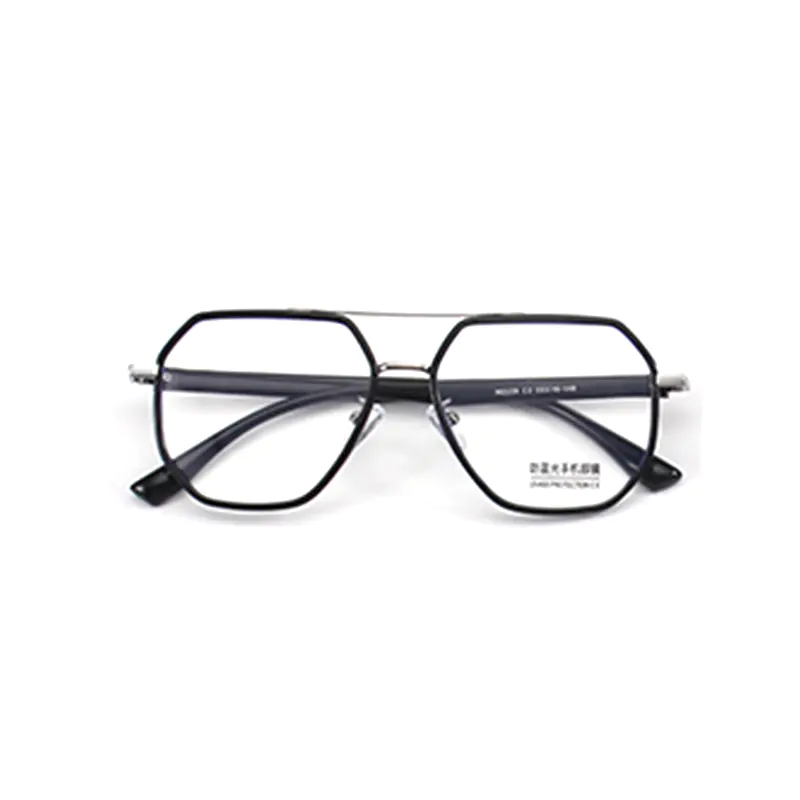
A teenager rubbing tired eyes after another long stretch of homework, gaming, and scrolling on a phone is a scene playing out in households everywhere, and it usually sends a parent straight to researching Blue Light Reduction Glasses as a possible fix. If headaches after school, trouble falling asleep after late night screen use, or constant complaints about tired eyes sound familiar, this is exactly the kind of daily friction that has pushed so many families and buyers toward eyewear built specifically around teen screen habits. Teenagers today spend a significant part of their day looking at a screen, whether that is a laptop for schoolwork, a phone for messaging friends, or a console for gaming late into the evening. Choosing eyewear for that lifestyle is not quite the same as choosing glasses for an adult office worker or a young child, since teens tend to move between environments quickly, care about how a frame looks, and are rougher on their belongings than many adults would like to admit. There is also a practical wrinkle that makes this decision harder than it looks from the outside. Teenagers are notoriously inconsistent about wearing things they do not like, no matter how sensible the reasoning behind the purchase. A parent can hand over a pair of glasses backed by solid lens science, and if the frame feels wrong or looks awkward, that pair is just as likely to sit untouched in a drawer as it is to actually get worn during homework or gaming sessions. That gap between good intentions and actual daily use is exactly why this decision deserves more thought than simply picking whatever option happens to catch the eye in a search listing.
Why Teenage Screen Habits Create a Different Eyewear Problem
Adults using a computer at a desk face a fairly predictable routine. A teenager's day looks nothing like that. School work, gaming sessions, video calls, and social media scrolling all blend together, often stacked back to back with barely a break in between.
That pattern creates a few specific challenges worth naming directly:
- Extended near vision focus during homework and reading assignments
- Rapid switching between phone screens, laptop screens, and television screens
- Late evening screen exposure that can interfere with winding down before sleep
- Long gaming sessions where eye strain builds gradually and goes unnoticed until it becomes uncomfortable
None of this means every teenager needs specialized eyewear the moment they pick up a phone. It does mean that when eye strain, headaches, or sleep disruption start showing up regularly, eyewear designed around screen exposure becomes a reasonable option worth exploring rather than dismissing as unnecessary.
Do Teenagers Actually Need Something Different From Adult Eyewear?
This question comes up constantly among parents comparing options, and the honest answer involves a few practical factors rather than a simple yes or no.
Teen faces are still developing, which means frame fit matters more than it might for a fully grown adult. A frame borrowed from an adult product line, simply scaled down slightly, often does not sit correctly on a younger face, causing constant pushing up of glasses that slide down, pressure points behind the ears, or lenses positioned incorrectly relative to the eyes.
Durability also plays a bigger role. Teens are active, forgetful about where they leave things, and generally harder on personal items than many adults. Eyewear intended for this age group benefits from frame materials and hinge designs built to survive drops, being sat on, or getting tossed into a backpack without much care.
Style preferences matter more too. A teenager who feels self conscious about how glasses look is far less likely to wear them consistently, no matter how good the lens technology inside actually is. This is part of why eyewear brands targeting teen buyers put real thought into frame shapes and colors rather than treating design as an afterthought.
There is a social dimension here that adults sometimes forget about once they are past a certain age. A teenager wearing something that looks obviously like a hand me down or an adult product shrunk to fit rarely feels good about wearing it around classmates. Peer perception carries real weight during these years, and a frame that reads as awkward or outdated in the eyes of a fifteen year old can end up shelved regardless of how well it performs on paper. Brands that understand this dynamic tend to design collections with input from the age group itself, rather than assuming adult preferences translate cleanly downward.
Blue Light Reduction Glasses and What They Are Actually Meant to Do
Blue Light Reduction Glasses use lens coatings or tinted lens materials designed to filter a portion of the blue wavelength light emitted by digital screens. The idea behind them is straightforward: reduce the amount of blue light reaching the eye during long stretches of screen exposure, potentially easing digital eye strain and supporting better sleep patterns when screens are used close to bedtime.
It is worth being direct about what these glasses do and do not claim to solve. They are not a medical treatment, and they will not correct an existing vision problem on their own. What they aim to do is make extended screen time a bit more comfortable and potentially reduce some of the disruption blue light exposure can cause to natural sleep rhythms, particularly for teens who tend to use screens right up until bedtime.
Parents and buyers evaluating this category should think of these glasses as one piece of a broader approach to healthy screen habits, alongside reasonable breaks, proper lighting, and sensible limits on late night device use, rather than a single fix that eliminates every screen related complaint on its own.
It also helps to set realistic expectations before purchase, since overselling the benefits tends to result in disappointment down the line. A teenager who still stares at a phone for hours straight without breaks is not going to feel completely refreshed simply because a lens is filtering part of the light spectrum. What tends to happen instead, based on feedback from families who have tried this approach, is a gradual easing of some of the more obvious discomfort, like end of day eye fatigue or difficulty settling down at bedtime after an evening of screen use, rather than a dramatic overnight transformation.
How Does Reading and Homework Use Differ From Gaming Use?
Not every screen activity puts the same demand on a teenager's eyes, and recognizing that difference helps narrow down which lens and frame features actually matter for a given situation.
Reading and homework sessions tend to involve:
- Sustained close focus on text for long stretches without much visual movement
- Frequent shifting between a screen and printed material, which requires the eyes to refocus repeatedly
- Indoor lighting conditions that vary from a bright desk lamp to a dim bedroom setup
Gaming sessions bring a different set of demands:
- Rapid visual tracking across a moving screen, often for extended periods without a break
- Bright, high contrast screen content that can be more fatiguing over time than static text
- Frequently occurring late evening or nighttime use, which raises the stakes around sleep disruption
Glasses marketed toward reading and study use often emphasize comfort during long stationary focus, while glasses aimed at gamers tend to highlight lens clarity during fast visual movement and frame stability during long sessions where a teen might be hunched forward or leaning in toward a screen.
A teenager splitting time between both activities on any given evening, which describes a large share of this age group, ends up asking a slightly different question than someone dedicated purely to one activity or the other. Rather than optimizing narrowly for either homework or gaming, many families end up prioritizing a frame and lens combination flexible enough to handle both reasonably well, accepting that a pair built for one narrow purpose might perform better in that specific scenario but worse everywhere else the teen actually uses it throughout a typical day.
Frame Material Choices Show Clear Differences Across Options
Frame material choice affects comfort, durability, and how a pair of glasses survives typical teenage handling. The comparison below lines up two commonly used materials side by side.
| Frame Material | Weight | Flexibility | Durability | Typical Fit for Teens |
|---|---|---|---|---|
| Nylon | Light | High, resists snapping under bending | Good against impact and drops | Comfortable for active daily wear |
| Acetate | Moderate | Lower, more rigid | Good but can crack under sharp impact | Wider range of color and pattern options |
| Metal Alloy | Light to moderate | Moderate | Good with proper hinge reinforcement | Sleeker look, less forgiving under stress |
| TR90 Composite | Very light | Very high | Strong resistance to bending and impact | Well suited to active or sporty teens |
None of these materials work equally well for every teenager, since activity level, style preference, and facial structure all shift which option makes more sense. A teen who plays sports or handles equipment roughly benefits from a more flexible, impact resistant frame, while a teen mainly using glasses for study sessions at a desk might prioritize style and comfort over rugged durability.
Weight also deserves separate attention from durability, even though the two get lumped together sometimes. A frame can be sturdy and still feel heavy on the bridge of the nose after several hours of continuous wear, which matters a great deal to a teenager who wears glasses through an entire school day plus an evening gaming session right after. Lighter materials tend to fade into the background after enough time passes, while heavier frames make their presence known through discomfort long before any structural weakness shows up.
Nylon Versus Acetate: Which Fits Active Teen Lifestyles Better?
This comparison comes up frequently, since these two materials sit at opposite ends of a few important tradeoffs.
Nylon frames tend to appeal to buyers focused on:
- Bending without snapping, which matters for a teen who sits on their glasses or stuffs them into a bag without a case
- Lighter overall weight, reducing pressure points during long wear sessions
- Better performance in temperature swings, since nylon holds its shape reasonably well across a range of conditions
Acetate frames tend to appeal to buyers focused on:
- Wider color and pattern variety, appealing to teens who care about personal style
- A slightly more premium look and feel, often preferred for everyday non sporty use
- Rigidity that some teens find gives a more polished, structured appearance compared to flexible nylon
Neither material is universally better across every use case. A parent buying glasses for a teen involved in sports or outdoor activity often leans toward nylon or a composite blend, while a teen mainly wearing glasses around school and social settings might prioritize the style range acetate frames tend to offer.
Cost differences between these two materials tend to be modest rather than dramatic, which means the decision usually comes down to lifestyle fit rather than budget alone. A household with more than one teenager might even end up choosing differently for each child, based on how each one actually spends their day, rather than assuming a single material choice fits every member of the family equally well.
Lens Size Plays a Bigger Role Than Many Teens Realize
Lens size and shape affect both comfort and how effectively a lens covers the field of vision during screen use, which makes this a detail worth paying closer attention to than it initially seems.
A lens sized for an adult face placed on a smaller teen face often creates a few recurring problems:
- Gaps between the lens edge and the eye area, reducing how much blue light filtering actually reaches peripheral vision
- Frames that sit too wide, causing them to slide down the nose repeatedly during movement
- An unbalanced look that draws unwanted attention, which matters more to image conscious teens than adults sometimes realize
Sunglasses lens size considerations apply similarly here, since both categories depend on properly matching lens dimensions to facial proportions rather than assuming one universal size works comfortably across a wide age and size range. Manufacturers producing eyewear specifically for younger users typically offer a narrower bridge width and a more proportionate lens size compared to standard adult frames, which helps address this fit gap directly.
Getting this measurement right is harder to eyeball than it sounds, since two teenagers of similar age can have noticeably different face widths and bridge heights depending on genetics and growth stage. Trying on a frame in person, or at the very least checking detailed sizing measurements before ordering online, tends to prevent the common scenario where a pair looks fine in a photo but arrives feeling either too tight across the temples or loose enough to slide down within an hour of wear.
What Should Parents and Buyers Look for Before Choosing a Pair?
Selecting eyewear for a teenager involves balancing comfort, function, and durability, and a few practical checks help narrow down options before committing to a purchase.
- Confirm the lens actually filters blue wavelength light rather than simply carrying a marketing label without meaningful filtering behind it
- Check frame flexibility, since a rigid frame that cannot bend slightly under pressure is more likely to snap during normal teen handling
- Look at bridge and temple width relative to the teen's face, since an ill fitting frame gets left in a drawer no matter how good the lens technology is
- Ask about hinge quality, since spring loaded or reinforced hinges tend to survive repeated opening and closing far longer than basic hinge designs
- Consider whether the frame style matches what the teen would actually choose themselves, since a pair selected purely by a parent without teen input often goes unused
Buyers purchasing in volume, whether for retail distribution or school related programs, often add supplier reliability and consistent quality control across production batches to this checklist as well, since inconsistent lens quality between units creates problems that only surface after a shipment has already reached customers.
Evaluating a Reliable Eyewear Supplier Takes a Few Key Steps
Sourcing eyewear for a teen focused product line, whether for a retail brand, a school program, or a broader wholesale operation, involves a different set of questions than buying a single pair for personal use.
A few areas worth exploring directly with a potential supplier:
- What testing supports blue light filtering claims, and is that testing consistent across production runs rather than limited to early samples
- What frame material options are available, and can requests for specific colors, sizes, or branding be accommodated without long delays
- How is quality control handled across a full production batch, not just a small sample set shown during initial discussions
- What is the typical process for custom design requests, including logo placement, packaging, or exclusive color runs for a specific retail partner
Suppliers who answer these questions with specific, concrete detail tend to be the ones genuinely equipped to support an ongoing eyewear line, rather than simply relabeling a generic product for a teen focused market without adapting frame proportions or lens specifications to match.
It also pays to ask about sample turnaround and communication responsiveness during this early evaluation stage, since how a supplier handles an opening round of questions tends to preview how they will handle problems that come up later in a larger order. A supplier who takes weeks to respond to a basic technical question before any money has changed hands is unlikely to become noticeably faster once a larger commitment is on the table, and buyers who skip this observation sometimes discover the pattern the hard way partway through a production run.
How Should Eyewear Choice Match the Way a Teen Actually Uses Screens?
Rather than picking a single pair meant to handle everything, it often makes more sense to think about which screen activities dominate a particular teen's daily routine and choose accordingly.
A rough breakdown worth considering:
- Students spending a large share of screen time on homework and reading benefit from frames prioritizing comfort during long stationary focus, paired with lenses tuned for close range digital work
- Teens who game frequently often do better with frames offering secure fit during forward leaning posture and lenses that stay comfortable through extended, high contrast visual activity
- Teens juggling both study and gaming, which describes a large share of this age group, may benefit considerably from a versatile option balancing comfort, durability, and moderate style flexibility rather than a pair optimized narrowly for a single use case
Thinking through actual daily habits rather than defaulting to whatever looks appealing in a product photo tends to produce a purchase that actually gets worn consistently, which matters a great deal more than any single specification on its own.
Practical Steps for Introducing a New Pair Into a Teen's Routine
Buying the right pair of glasses solves only part of the equation. Getting a teenager to actually wear them consistently is a separate challenge that deserves its own attention, especially for a demographic known for resisting anything that feels imposed by a parent.
- Involve the teen directly in choosing frame color and shape, rather than presenting a single pre selected option as the only choice available
- Introduce the glasses gradually during specific activities, such as evening gaming sessions, rather than expecting all day wear from the very start
- Explain the reasoning in simple terms tied to something the teen already cares about, such as feeling less tired during a late gaming session, rather than framing it purely as a parental health directive
- Keep a spare case or backup pair available, since forgetting or misplacing glasses is common enough among this age group that a backup reduces the odds of the habit breaking down entirely
- Check in periodically about comfort and fit, since a growing teenager's face shape can shift over time in ways that make an initially well fitting frame less comfortable months later
None of these steps guarantee consistent use on their own, but skipping them tends to increase the odds that a reasonably good pair of glasses ends up ignored in a backpack pocket rather than actually reducing screen related eye strain the way it was intended to.
Patience matters a great deal here, more than many parents expect going in. A teenager who resists wearing glasses during the initial week might come around once they notice a genuine difference in how their eyes feel after a long gaming session or study block, but that shift in attitude rarely happens overnight. Framing the glasses as a tool the teen chooses to use for their own comfort, rather than a rule being enforced from outside, tends to produce far better long term adoption than treating it as a non negotiable requirement handed down without much explanation.
Do Sleep Complaints Actually Connect Back to Screen Habits?
Parents dealing with a teenager who cannot seem to fall asleep at a reasonable hour often trace the problem back to a phone or tablet still glowing in a dark bedroom well past the point where sleep should have started. This link between evening screen exposure and delayed sleep onset comes up often enough in conversations among parents and health professionals that it deserves a direct look here.
Screens emit a portion of blue wavelength light, and exposure to that light in the hours before bed can interfere with the body's natural signal to start winding down for sleep. Teenagers already tend to run on a slightly later internal clock than younger children or adults, which means a phone lighting up a dark room at eleven at night is working against a system that is already prone to running behind schedule.
Reducing blue light exposure through eyewear during evening screen sessions is one piece of a larger response to this pattern. It does not replace basic habits like setting a screen curfew or dimming device brightness in the evening, but for teenagers who are not ready to give up late evening messaging or a final gaming session before bed, filtering glasses offer a middle ground that addresses part of the problem without requiring a full behavior overhaul overnight.
Sleep researchers and pediatric health resources have written extensively about how teenage circadian rhythms shift naturally during adolescence, pushing the body toward a later natural bedtime even without any screen involvement at all. Layering constant evening screen exposure onto that already delayed internal clock compounds the issue, and while eyewear alone will not reset a teenager's sleep schedule, it can reduce one contributing factor among several that families are often trying to manage simultaneously, alongside consistent bedtimes and reduced device access in the bedroom itself.
Bringing Screen Habits and Eyewear Choice Together
Choosing eyewear for a teenager facing constant screen exposure comes down to balancing comfort, durability, fit, and a reasonable filtering approach to blue wavelength light, rather than assuming any single product solves every complaint about tired eyes or disrupted sleep. Frame material, lens size, and daily screen habits all shape which option actually gets worn consistently, and a pair chosen without teen input or proper fit consideration often ends up forgotten in a drawer within weeks regardless of how capable the lens technology inside it happens to be. Parents going through this decision without much prior experience often underestimate how much frame comfort and personal style influence whether a teenager actually keeps a pair on through a full school day or gaming session, and buyers sourcing eyewear for retail or wholesale distribution face a similar challenge on a larger scale, needing consistent quality and fit across every unit in a production run rather than just a handful of well made samples. Getting these details right from the sourcing stage tends to prevent returns, complaints, and unused inventory sitting on a shelf long after a product launch.
Taking the time to compare frame materials, check lens size against face shape, and involve the teenager in the actual decision tends to make the difference between a pair that becomes part of a daily routine and one that quietly disappears into a backpack pocket. Buyers and brands approaching this category with that level of attention to detail generally end up with a product line that holds up both to real world teen handling and to the expectations parents bring into the purchase. Zhejiang Yani Eyewear Co., Ltd. works with buyers and brands developing eyewear collections built around real teen screen habits, supporting frame material choices, lens specifications, and custom design requests for retail partners and wholesale buyers alike. Reaching out with specific product requirements and expected order volume is a reasonable next step for anyone ready to move from comparing options toward building an actual product line.
 PREV:
PREV:How to Choose Sunglasses Lens Size for Clear Lenses?NEXT:
Can You Put Regular Lenses in Sunglasses? What Buyers Need to Know
Your email address will not be published. Required fields are marked *
CATEGORY
NEW PRODUCTS

You can contact us at any time, and we will reply to you within 24 hours.
- 3-11, Optical Mall, No. 777, Huancheng North Road, Duqiao Town, Linhai, Taizhou City, Zhejiang, China.
- +86-576-85885058
- +86-18258841999
- yani@yaniglasses.com
Custom Fashionable Sunglass Manufacturers
