

 English
 русский
 Français
 Español
 عربى
عربى


Can You Put Regular Lenses in Sunglasses? What Buyers Need to Know
Jul 17,2026
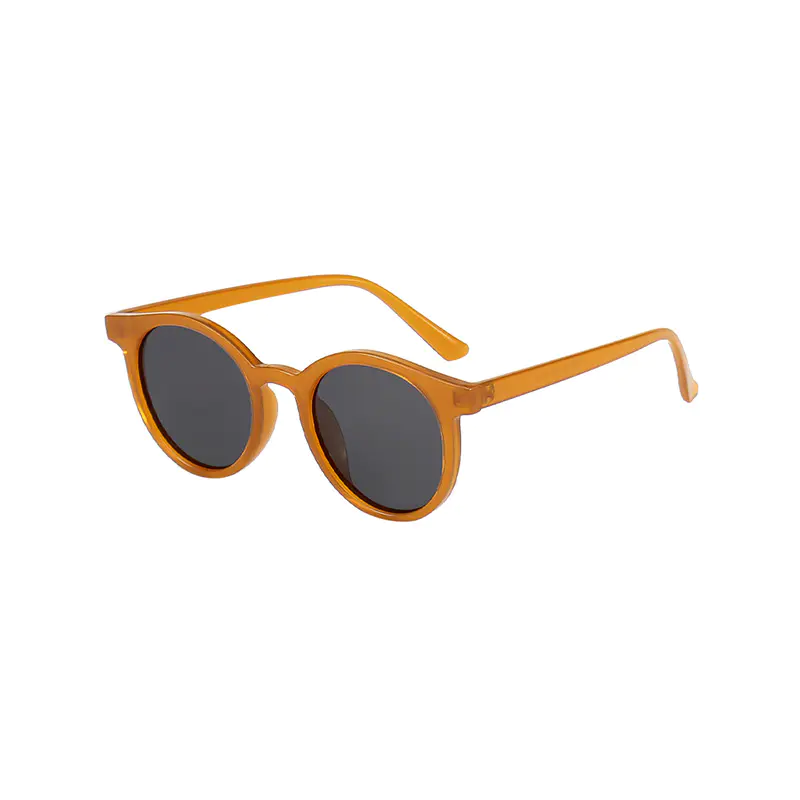
Anyone who wears prescription glasses and loves the outdoors eventually runs into the same wall: their favorite sunglasses do not correct their vision, and their prescription glasses do not block the sun. Swapping in a standard optical lens seems like an obvious fix, but the reality involves more than just popping one lens out and another one in. Frame structure, lens curvature, and Sunglasses Lens Size all play a role in whether that swap actually works.
Why This Question Comes Up So Often
People assume sunglasses and prescription glasses are built the same way, just with tinted glass instead of clear glass. That assumption is only partly true.
Sunglass frames are often shaped with sharper curves to wrap around the face and block peripheral light, while standard optical frames tend to sit flatter. That curve difference changes how a lens fits, even if the lens itself is cut to the correct diameter.
Does Frame Shape Really Matter That Much?
It does, often more than people expect. A steeply curved sunglass frame can affect how a flat prescription lens performs, creating visual distortion near the edges. Manufacturers who ignore this detail end up with customers complaining about headaches or blurred peripheral vision within days of wearing the product.
What Happens When You Try to Swap Lenses Directly
Taking a regular optical lens and forcing it into a sunglass frame is possible in some cases, but it rarely produces a clean result without proper preparation.
A few things typically go wrong during a rushed swap:
- The lens edge does not match the groove cut into the frame, leaving gaps or loose fit
- The curvature mismatch causes the lens to sit unevenly, putting stress on the frame hinges
- The lens may crack under pressure if forced into a frame built for a different base curve
- Optical distortion appears at the lens periphery, especially in wraparound sports styles
None of these issues are guaranteed, but they show up often enough that reputable eyewear producers avoid shortcuts and instead design the lens and frame together from the start.
Prescription Sunglasses Are Built Differently From the Ground Up
Rather than fitting a regular lens into a sunglass frame, reliable prescription sunglasses are often designed around the frame's intended curve, with lenses shaped to match the structure. This approach helps avoid many of the issues mentioned above.
The lens itself gets ground to the wearer's prescription first, then shaped to fit the particular frame's base curve and edge groove. That is a fundamentally different process from grabbing an off-the-shelf optical lens and squeezing it into whatever sunglass frame happens to be on hand.
How Sunglasses Lens Size Affects the Fit
Getting the Sunglasses Lens Size right is a key step that is often overlooked. Even a well-made prescription lens may not fit properly if it is cut slightly differently from the frame's actual opening.
Why Precise Measurement Matters So Much
A lens that runs even a small amount too large will not seat into the frame groove properly, and one cut too small will leave gaps that let light leak around the edges, defeating the entire purpose of sunglasses. Manufacturers measure both the horizontal and vertical dimensions of the frame opening, along with the groove depth, before cutting or ordering replacement lenses.
Buyers sourcing custom eyewear should always request exact frame opening measurements rather than relying on general size categories like small, medium, or large, since even frames within the same category can vary in ways that matter for a precise lens fit.
Comparing Frame Materials for Lens Compatibility
Frame material influences how well a lens holds once it is installed, and this becomes especially relevant when discussing swapped or custom-fit lenses.
| Frame Material | Flexibility | Lens Retention | Common Use Case |
|---|---|---|---|
| Nylon Sunglasses | High flexibility, bends without snapping | Groove can loosen over time with heavy flexing | Sports and outdoor frames |
| Acetate | Lower flexibility, more rigid structure | Holds lens firmly once seated | Fashion and everyday frames |
| Metal alloy | Moderate flexibility depending on design | Stable retention with proper fit | Lightweight casual frames |
| TR90 composite | High flexibility, resists deformation | Good retention with correct groove depth | Active and sports-focused frames |
This comparison highlights why the Nylon Vs Acetate Frames debate matters beyond just style preference. Nylon frames flex under impact, which protects the lens during sudden movement but can gradually loosen the groove that holds the lens in place. Acetate frames stay rigid, holding a properly fitted lens securely, but they do not absorb shock the same way.
Should Sports Users Worry About Lens Swaps More Than Others?
Yes, and for a fairly obvious reason. Athletes and outdoor workers put far more physical stress on their eyewear than someone wearing sunglasses for a casual walk.
A lens that fits adequately during normal use might shift or pop out entirely during running, cycling, or any activity involving sudden jolts. This is exactly why working with a dependable sports sunglasses manufacturer matters for buyers building product lines aimed at active users. Frame and lens combinations need to be tested under conditions that mimic real physical stress, not just a static fit check on a shelf.
What Should Buyers Ask Sports Eyewear Suppliers?
A few practical questions separate a dependable supplier from one that will cause returns and complaints down the line:
- Does the frame groove depth account for lens expansion under heat
- Are lenses tested for retention under repeated impact or flexing
- Can the factory produce consistent Sunglasses Lens Size specifications across large production batches
- What frame materials are recommended for high-motion activities versus casual wear
Getting clear answers to these questions before placing a bulk order tends to prevent a lot of downstream frustration, both for the buyer and for the end customer who eventually wears the product.
Can Regular Lenses Work in Any Situation at All?
There are limited cases where a standard lens can work reasonably well in a sunglass frame, mostly when the frame has a nearly flat profile similar to typical optical frames. Some fashion-forward sunglasses use flatter lens shapes specifically to allow easier lens swapping, and in those cases, a properly measured optical lens can fit without much modification.
However, this is an exception rather than a common situation. Wraparound sports frames, heavily curved fashion styles, and performance eyewear are designed around specific lens curves that a flat optical lens cannot match without causing visible distortion or fit issues.
Practical Steps for Buyers Considering Custom Lens Fitting
For eyewear brands or retailers considering swappable or custom prescription lenses within sunglass frames, a structured approach can help avoid common issues during the process.
- Start by confirming the frame's base curve before selecting or cutting any lens
- Measure the frame opening precisely rather than estimating from a general size chart
- Choose frame material based on intended use, favoring flexible materials for active use and rigid materials for everyday fashion wear
- Test sample units under conditions similar to actual customer use before committing to full production runs
- Work with a manufacturer capable of producing consistent lens and frame specifications across large batches, not just individual samples
Skipping any of these steps tends to surface problems later, usually after a product has already reached customers, which makes returns and complaints far more costly than catching the issue during the design phase.
Bringing the Fit and Function Together
Swapping a regular lens into a sunglass frame is technically possible in narrow cases, but it rarely delivers the fit, comfort, or optical clarity that a properly designed prescription sunglass achieves. Frame curvature, groove depth, and precise Sunglasses Lens Size measurements all play a role in whether a lens sits correctly and stays there through daily wear or intense physical activity. Buyers weighing frame material choices, whether comparing nylon sunglasses against acetate builds or evaluating options for active users, benefit from treating lens and frame as a matched pair rather than interchangeable parts.
For brands and retailers looking to develop reliable prescription sunglasses or custom eyewear lines without running into the fitting problems described above, working with an experienced producer makes the process considerably smoother. Zhejiang Yani Eyewear Co., Ltd. supports eyewear brands and retailers with frame and lens compatibility testing, precise sizing specifications, and production capacity suited to both everyday fashion frames and demanding sports eyewear lines. Reach out to discuss frame material options, lens fitting requirements, or sample testing for your next eyewear collection.
 PREV:
PREV:Choosing Blue Light Reduction Glasses for Teen Screen UseNEXT:
Lightweight vs Large Frame Blue Light Glasses Guide
Your email address will not be published. Required fields are marked *
CATEGORY
NEW PRODUCTS
-
-
Oct 02,2026
-

You can contact us at any time, and we will reply to you within 24 hours.
- 3-11, Optical Mall, No. 777, Huancheng North Road, Duqiao Town, Linhai, Taizhou City, Zhejiang, China.
- +86-576-85885058
- +86-18258841999
- yani@yaniglasses.com
Custom Fashionable Sunglass Manufacturers
