

 English
 русский
 Français
 Español
 عربى
عربى


How Are Fold Down Sunglasses Changing Portable Outdoor Eyewear
Sep 11,2026
Outdoor travel often means juggling a pile of small items. Sunglasses, a water bottle, a jacket, a phone, snacks, maybe a map or a permit — they all fight for the same pocket or side pouch. Anyone who has repacked a daypack halfway up a trail knows how quickly things get disorganized when gear doesn't have a clear place to sit.
Sunglasses create a strange kind of storage puzzle. They matter the moment light shifts — stepping out of a forest into open sun, or walking off a shaded trail onto a ridge — yet the second they come off, they turn into an awkward object with no obvious home. A rigid frame pressed against a water bottle or a set of keys can bend or scratch, so people end up either wearing them when they don't need to or shoving them somewhere they might get crushed.

A stiff-framed pair of sunglasses works fine while it's on someone's face. Once it's removed, though, it usually needs a hard case or a dedicated slot in a bag, and not every bag has room for that. This is part of why some eyewear designs now pay closer attention to what happens after the glasses come off, not just how they look while being worn.
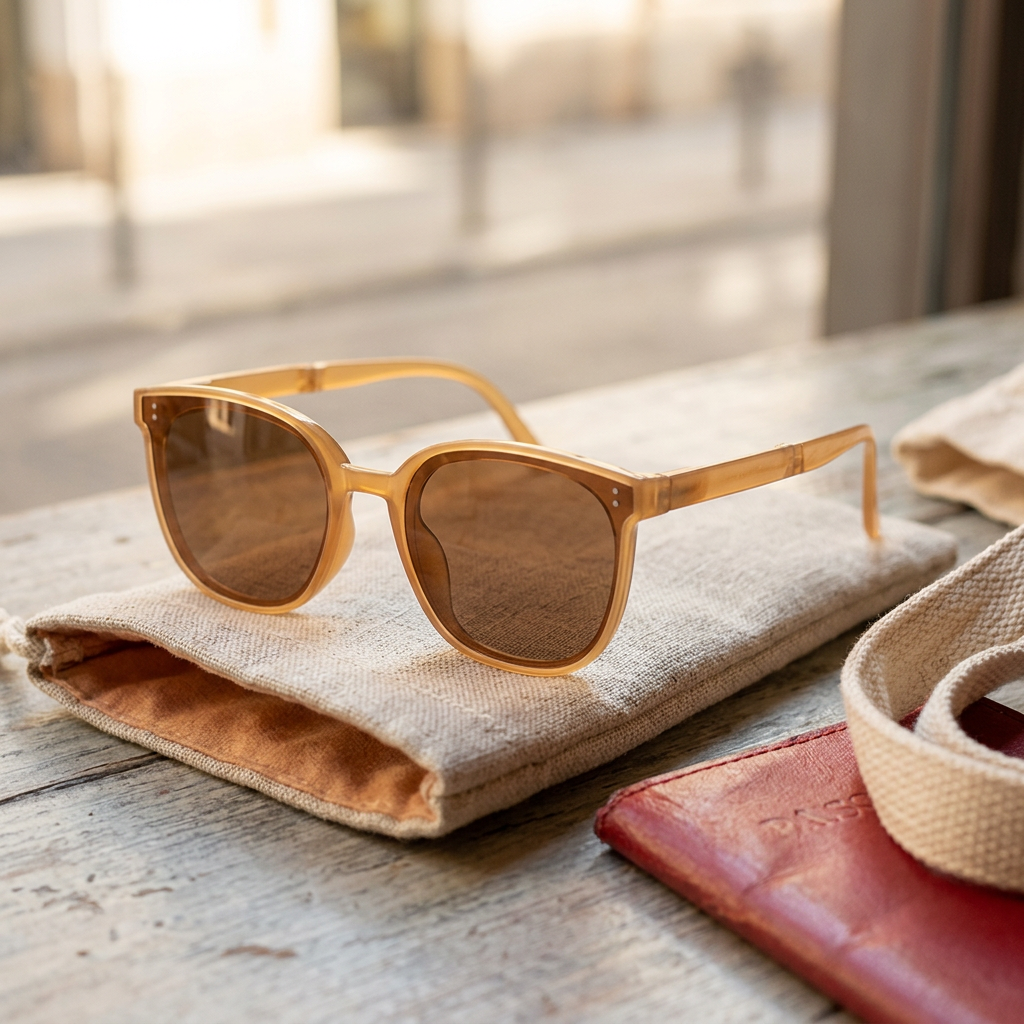
Fold Down Sunglasses reflect this shift. The frame is built to collapse into a smaller shape when not in use, so it takes up less room in a pocket or pouch. That single change affects how someone packs for a hike, a fishing trip, or a weekend drive, since one less bulky item makes the rest of the packing process a bit simpler.
This kind of design applies across hiking, camping, sightseeing, cycling, fishing, and casual road trips. Each activity has its own rhythm, but the underlying issue is the same: sunglasses go on, come off, go back in a bag, and come out again later. Portable eyewear isn't really a new accessory category — it's a rethink of how an existing accessory fits into a daily outdoor routine.
How Do Fold Down Sunglasses Change the Way Eyewear Is Carried?
Carrying sunglasses seems simple until a day involves several changes in setting. Someone might wear them on a trail, take them off entering a rest hut, put them in a side pocket, then pull them out again once they're back in the sun. Multiply that by a full day of hiking or sightseeing, and storage becomes a real part of using the product, not an afterthought.
Fold Down Sunglasses respond to this pattern through a hinge and frame design that lets the whole pair collapse into a flatter, smaller shape. It's a modest mechanical change, but it shows up in how a person actually organizes a bag. A folded pair slides into a small zip pocket instead of needing its own dedicated compartment.
That compact shape matters more when bag space is already tight. A hiker carrying water, a first-aid kit, snacks, and a rain layer doesn't have much room left for anything oversized. An item that can flatten itself for storage fits more naturally into that kind of load instead of forcing a rearrangement.
| Outdoor Situation | Portable Eyewear Consideration |
|---|---|
| Hiking | Easy to tuck away between stretches of sun and shade |
| Camping | Sits alongside other small personal items without extra bulk |
| Road travel | Simple to grab from a glove box or door pocket |
| Sightseeing | Moves easily between indoor stops and outdoor walking |
| Beach trips | Practical to carry when not actually worn |
| Daily commuting | Fits in a bag pocket during transit changes |
Some people still prefer a hard case, especially on longer trips where gear gets tossed around more. That's a reasonable habit to keep. A folding frame doesn't replace the case entirely — it just makes the storage step less of a chore when a case isn't handy.
The underlying point is that the eyewear is being designed around two moments, not one. Wearing it outdoors is only half the picture; putting it away without hassle is the other half.
What Makes Frame Structure Important for Outdoor Travel?
Frame structure connects directly to how portable a pair of sunglasses actually is. The frame has to hold its shape firmly enough for regular wear, yet still fold or compress in a way that doesn't feel clumsy when it's time to store it.
Outdoor travel involves a lot of on-and-off moments. A cyclist might remove sunglasses entering a shop, a hiker might take them off under tree cover, a traveler might pull them off stepping into an air-conditioned building. A frame built to fold can absorb these transitions without becoming a burden.
This pushes designers to think carefully about hinges, fold points, and how the arms connect to the lens area. These small mechanical details determine whether folding feels smooth or feels like something that will eventually loosen or break.
None of this matters if the glasses feel awkward during normal wear. A folding hinge has limited value if the frame pinches, sits unevenly, or doesn't stay put during activity. The folding feature has to sit alongside comfort, not replace it.
Nylon Sunglasses offer one direction for this kind of frame. Nylon-based materials are often associated with lighter-weight eyewear, giving designers another option when building something meant to be carried often and worn for stretches of time.
Material choice shapes more than weight. It influences how the frame flexes at fold points, how it holds up against scratching, and how it feels resting on someone's face during a long afternoon outside.
There isn't one material that works for every outdoor activity. A trail runner might want something light and flexible, while someone doing casual sightseeing might care more about how the frame looks with everyday clothing. Structural design, in that sense, becomes a mix of comfort, handling, and practical storage — not just appearance.
Can Outdoor Life Sunglasses Fit Different Travel Activities?
Outdoor activities don't follow one fixed pattern. A weekend hike might mean hours outside without a break, while a city sightseeing trip involves constant movement between streets, shops, cafes, and transit stops. Sunglasses need to keep up with both kinds of days.
Outdoor Life Sunglasses can be thought of in this broader sense — not tied to one sport, but built around how people actually move through a day that mixes indoor and outdoor time. A compact, foldable design helps when the glasses are only needed for part of a journey rather than the whole thing.
Camping adds another layer to this. Personal items tend to get grouped together in a tent or a gear bin, and smaller accessories are easier to keep track of when they don't demand their own dedicated storage space.
Road trips involve their own back-and-forth. Someone might wear sunglasses while driving, take them off at a rest stop, toss them in a door pocket, then put them back on once they're driving into the sun again a few hours later.
For everyday outings — walking a dog, running errands, spending an afternoon at a park — the same idea still applies. A person doesn't need to be doing anything demanding to benefit from eyewear that stores easily.
| Hiking | Storage between sun and shaded rest points |
| Travel | Staying compact while moving between locations |
| Camping | Fitting into shared gear space without extra bulk |
| Sightseeing | Moving between indoor and outdoor stops with less carrying weight |
| Commuting | Storing conveniently when not immediately needed |
Portable eyewear keeps coming up in outdoor gear discussions because it responds to ordinary movement throughout a day, not one narrow type of trip.
Why Does Compact Storage Matter When Packing Outdoor Gear?
Packing for an outdoor trip is a constant trade-off between usefulness and bulk. Every rigid or oddly-shaped item takes up space that could otherwise go to something else — food, layers, tools, or a first-aid kit. Small shape changes in individual items can noticeably ease that pressure.
Sunglasses are a clear example, since they're needed at certain moments but spend a good part of any trip stored away rather than worn. Fold Down Sunglasses reduce their footprint by collapsing into a flatter shape, which helps them sit alongside other compact items instead of taking up their own section.
This matters more with smaller bags. Someone carrying a daypack for a half-day hike has limited room for anything rigid, so a folding frame can slide into a side sleeve or a small zip pouch instead of needing its own padded compartment.
Storage also affects how quickly someone can find and use the glasses. A pair that's easy to place in a consistent spot is more likely to stay accessible, rather than getting buried under a jacket or a water bottle at the bottom of a bag.
That accessibility becomes useful during sudden weather or lighting changes — walking out of a shaded canyon into open sun, or stepping outside after a cloudy stretch clears up. Being able to grab sunglasses quickly, without digging through a bag, is a small but real convenience.
Compact storage doesn't remove the need for care. Sunglasses can still scratch, get crushed, or pick up moisture damage if they're handled carelessly, folding frame or not. The advantage comes from pairing a compact shape with reasonable handling habits, not from assuming the design alone solves everything.
For people designing outdoor gear, this points toward building compactness into the eyewear from the start, rather than treating it as something to patch in after the main design is finished.
How Are Materials Shaping Portable Eyewear Design?
Material choice affects how sunglasses feel day to day — their weight, how they flex, and how they hold up against sun, sweat, and occasional bumps. For portable eyewear specifically, the material also has to cooperate with the folding structure rather than fight against it.
Nylon Sunglasses represent one path here. Nylon-based frames tend to suit lightweight builds, which can matter to someone who wants eyewear that's easy to carry for a full day without feeling like extra weight on the face.
Material is only one piece of the puzzle, though. Frame shape, where the fold points sit, how the lenses are mounted, and the surface finish all play into how the eyewear actually feels in hand and on the face.
People also have different tastes in how their eyewear looks. Some want a plain frame that blends into whatever they're wearing that day, while others want something that visibly signals outdoor use, almost like part of their gear rather than a fashion piece.
Color and finish choices tie into this. A pair meant for both a hiking trip and a dinner out afterward needs to work in both settings without feeling out of place in either.
Comfort still sits at the center of all this. Sunglasses rest close to the face for hours at a time, so weight distribution and frame shape influence whether someone actually keeps them on or keeps taking them off out of irritation.
Material and structure meet right at this point. A frame can fold down neatly and still needs to feel steady and comfortable once it's open and being worn.
Manufacturers can build from either direction — starting with a material that supports a certain frame concept, or starting with a folding mechanism and choosing a material that works well with it. Buyers benefit from looking at both together rather than judging material and folding design as separate decisions.
What Design Details Matter When Choosing Fold Down Sunglasses?
A folding frame draws attention because of its compact shape, but there's more to consider before deciding it's a good fit. Portability only helps if the eyewear also works for the wearer's actual habits.
The folding motion itself should feel intuitive. Someone might fold and unfold a pair several times over one outing, so if the hinge feels stiff or fiddly, that friction adds up over a trip.
The folded shape matters too. It's worth checking whether it actually fits a specific bag pocket or pouch someone already uses, rather than assuming any compact design will slot into any storage spot.
The unfolded frame still has to work as regular eyewear. Fit, coverage, and how it stays on during movement matter just as much as how small it gets once folded.
| Design Area | Question for Buyers |
|---|---|
| Folding structure | Does the fold feel smooth for repeated daily use? |
| Storage | Does the folded shape actually fit the bag or pocket being used? |
| Frame material | Does the material suit the intended activity and climate? |
| Comfort | Does the open frame feel steady during longer wear? |
| Handling | Can it be opened and folded without fumbling? |
| Appearance | Does it work with both outdoor gear and regular clothing? |
| Protection | Can it be stored safely without a hard case, if needed? |
Working through questions like these helps buyers focus on how they'll actually use the eyewear, rather than judging it on looks alone.
Retailers and sellers can use a similar approach when talking with customers. Explaining how a design fits real travel habits tends to land better than broad promotional language that doesn't say much about day-to-day use.
How Could Portable Eyewear Become Part of Future Outdoor Gear Planning?
Outdoor gear keeps trending toward convenience. Travelers generally want equipment that does its job without adding storage headaches on top of everything else they're already carrying.
Eyewear fits naturally into that conversation because it moves between active use and storage constantly throughout a day. A folding frame gives designers more room to think about how sunglasses get carried, not just how they look while worn.
Outdoor Life Sunglasses can be seen as part of a larger gear system — sitting alongside hiking packs, camping equipment, casual clothing, and everyday personal items, rather than existing as a standalone accessory.
The folding concept opens up space for new frame shapes and hinge styles. Designers can weigh structure against comfort, appearance, and ease of handling, rather than treating folding as an add-on feature bolted onto an existing design.
For manufacturers, this likely means paying closer attention to the stretch of time when sunglasses aren't being worn at all. Storage becomes part of the product experience rather than something addressed only through a separate case.
For buyers, the practical question stays simple: does a given pair of sunglasses match how they actually travel — a small daypack, a car door pocket, a jacket pocket during a city walk?
Nylon Sunglasses and Fold Down Sunglasses cover different parts of this discussion. One deals mainly with material choice and weight, the other with how the frame's physical structure responds to being carried and stored repeatedly.
Together with the wider idea behind Outdoor Life Sunglasses, they point toward eyewear that does more than sit on someone's face during a hike. It becomes part of how people pack a bag, move through a day, and keep smaller items organized during time spent outdoors.
 PREV:
PREV:What Material Trends Are Influencing Modern Nylon SunglassesNEXT:
How Do Fold Down Sunglasses Fit Modern Travel Gear
Your email address will not be published. Required fields are marked *
CATEGORY
NEW PRODUCTS



You can contact us at any time, and we will reply to you within 24 hours.
- 3-11, Optical Mall, No. 777, Huancheng North Road, Duqiao Town, Linhai, Taizhou City, Zhejiang, China.
- +86-576-85885058
- +86-18258841999
- yani@yaniglasses.com
Custom Fashionable Sunglass Manufacturers
