

 English
 русский
 Français
 Español
 عربى
عربى


What to Know After Buying PC Frame Sunglasses
May 29,2026
New sunglasses feel right for a few weeks. Then the lenses start to show micro-scratches. The frame develops a slight warp from being left on the dashboard. The hinges feel looser than they did at the start. None of these things are inevitable — they are the result of habits that many people do not think about until the damage has already happened. PC Frame Sunglasses are lightweight, impact-resistant, and well-suited to everyday use, but the polycarbonate material that makes them comfortable and durable also has specific sensitivities that shorter the lifespan when ignored. Understanding those sensitivities — and adjusting a few daily habits accordingly — is what separates a pair of sunglasses that looks good after two years from one that needs replacing after six months.
Why PC Frame Material Behaves Differently From Other Frame Types
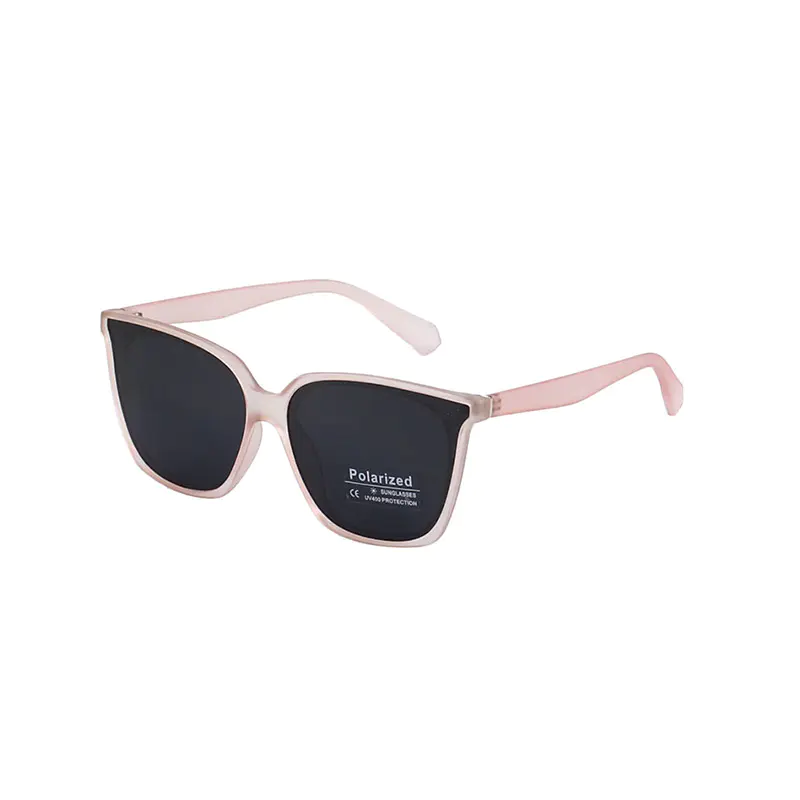
The Properties That Shape How the Frame Wears Over Time
Polycarbonate is a thermoplastic — it softens under heat and returns to a solid state as it cools. This characteristic is what allows PC frames to be lightweight while absorbing impact without shattering. But the same thermal behavior means the frame responds to sustained heat exposure in ways that acetate or metal frames do not.
A PC frame left on a car dashboard in direct sunlight, placed face-down on a hot surface, or stored in an enclosed space during summer months may develop a subtle warp. It does not melt in any dramatic sense — but the frame geometry shifts enough to affect how the sunglasses sit on the face and whether the lenses remain properly centered in the visual field.
Understanding this upfront is not a reason to avoid polycarbonate frames. It is a reason to develop straightforward habits around storage and handling that cost nothing in time but significantly extend the frame's useful life.
Daily Cleaning: What Actually Protects the Lens Surface
The Difference Between Safe and Damaging Cleaning Methods
Lens scratches accumulate from cleaning habits, not from actual use, in many cases. The instinct to grab the nearest fabric — a shirt hem, a tissue, a paper towel — and wipe the lens is common and consistently problematic. These materials contain fibers and particles that are abrasive against the lens coating, particularly on lenses with anti-reflective or polarized surface treatments.
The correct approach is less about what product to use and more about what material contacts the lens:
- Microfiber cloth — a purpose-made microfiber lens cloth lifts oil, dust, and fingerprints without scratching. The weave is fine enough that particles do not embed and drag across the surface
- Warm water rinse — rinsing under warm (not hot) running water before wiping loosens particles that would otherwise be dragged across the lens surface during the wipe
- Mild dish soap — a very small amount on the fingertip can help dissolve sunscreen and skin oil that water alone does not fully remove; rinse thoroughly afterward
- Air drying — allowing the lens to air dry after rinsing, or gently blotting with a clean microfiber cloth, avoids the water spots that form when water evaporates on the surface
What to avoid without exception:
- Paper products of any kind — paper towels, tissues, napkins
- Clothing fabrics, regardless of how soft they feel
- Cleaning solutions containing alcohol, ammonia, or bleach — these strip lens coatings and can affect the polycarbonate surface over repeated applications
- Dry wiping a lens that has visible particles on it — this drags abrasive material across the coating
Does Heat Really Warp PC Frames?
Understanding the Risk and Keeping It Practical
Polycarbonate has a relatively low thermal softening point compared to metal and acetate. It does not require the temperatures of an oven — sustained exposure to the heat levels reached inside a closed car on a warm day is sufficient to cause frame distortion over time.
Common scenarios where heat causes frame damage:
- Closed vehicles in direct sunlight — dashboard and seat surfaces in a parked car reach temperatures that soften PC frames, particularly when the sunglasses are left there regularly
- Proximity to cooking heat — leaving sunglasses near a stove or barbecue during outdoor cooking
- Hot tap water when cleaning — a rinse under warm water is safe; a rinse under hot water that would be uncomfortable on skin is enough to cause localized softening at hinge areas or thin frame sections
Storage in a hard case reduces these risks by keeping the sunglasses in a location that requires deliberate placement. Frames that are casually set down on hot surfaces get damaged. Frames that are put away in a case do not.
A soft lens pouch offers scratch protection during transport but does not protect the frame geometry from compression or impact. For daily carry, a semi-rigid or hard case is the more protective option.
Hinge Care and Frame Geometry Maintenance
Why Loose Hinges Are a Maintenance Issue, Not a Product Defect
Hinges on lightweight PC frames use small screws that can work loose over time through repeated opening and closing. This is normal mechanical wear rather than a product quality issue. A hinge that develops slight looseness affects the fit of the sunglasses on the face and, if left unaddressed, can cause the arm to detach during use.
Practical hinge maintenance:
- Check hinge screw tightness periodically — a small flat-head eyeglass screwdriver (widely available and inexpensive) allows quick tightening without tools from a service center
- Do not force hinges open or closed — sunglasses should be opened fully or closed fully in a smooth motion; forcing a frame that is stiff can crack the hinge area or strip the screw thread
- Open sunglasses with two hands when possible — the habit of flicking sunglasses open with one hand with a snap creates repeated stress at the hinge that accelerates loosening
If a frame feels significantly asymmetrical — one arm sitting higher or at a different angle — it has developed a warp or the hinge geometry has shifted. Many optical retailers can adjust frames gently using targeted heat, but this should be done professionally rather than attempted at home with a heat gun or hot water immersion, which can cause more damage than it corrects.
Sweat, Sunscreen, and Chemical Exposure
The Hidden Accelerants of Frame Deterioration
Common sources of PC frame damage are substances that users do not think of as damaging: sweat and sunscreen. Both contain compounds that affect polycarbonate and lens coatings through repeated contact.
Sweat is mildly acidic and contains salt and organic compounds. Frames worn during exercise absorb sweat at the nose pads, temple tips, and hinge areas. Over time, repeated exposure without cleaning causes surface dulling and can soften the protective coating on the frame surface, making it more susceptible to cracking or discoloration.
Sunscreen is chemically aggressive on plastic frames. The chemical UV filters in sunscreen — oxybenzone and similar compounds — are known to degrade polycarbonate surfaces through a process called chemical stress cracking. White stress marks appear on the frame surface, often around hinge areas where stress is already present. These marks are not removable once they form.
Practical habits that reduce this exposure:
- Apply sunscreen and allow it to dry fully before putting sunglasses on
- Rinse frames with clean water after exercise or beach activities
- Clean nose pad and temple tip areas specifically, as these accumulate sweat residue that is not always visible
A Reference Overview of Common Care Situations
Different use contexts create different care requirements. The comparison below covers typical scenarios and the appropriate response:
| Situation | Risk to Frame/Lens | Recommended Response |
|---|---|---|
| Dry wiping with clothing | Lens micro-scratching | Use a microfiber cloth, or rinse beforehand |
| Left in hot car | Frame warping | Store in hard case, not on dashboard |
| Sunscreen contact | Chemical stress cracking | Apply sunscreen, then wait before wearing |
| Sweat exposure during sport | Surface dulling, nose pad wear | Rinse with water after use |
| Loose hinge screw | Arm misalignment, eventual detachment | Tighten with eyeglass screwdriver |
| Cleaning with alcohol wipe | Coating stripping | Use mild soap and warm water only |
| Single-hand flip opening | Hinge stress | Open fully with two hands |
| Storage without case | Surface scratches, frame compression | Use semi-rigid or hard case |
How to Store Sunglasses When Not in Use
A Daily Habit That Prevents Common Damage
Storage is where much preventable damage happens. Sunglasses that are casually set down face-up collect dust on lenses that then gets rubbed in during the next cleaning. Set face-down, the lens surface contacts whatever the glasses are resting on. Left loose in a bag, they get scratched by keys, phone edges, and other hard objects.
A hard or semi-rigid case addresses all of these problems simultaneously. The lens surface is protected from contact. The frame is protected from compression by heavier items. The hinges are protected from the stress of repeated casual handling.
For environments where a hard case is impractical — tight pockets, active sport — a microfiber pouch provides lens scratch protection during transport, even if it offers less frame protection. This is a reasonable compromise when the alternative is no protection at all.
One habit worth developing for PC frames specifically: never set the sunglasses down with the lenses touching any surface directly. Always rest them on the frame edges or fold them and place them bridge-down on a clean surface. This single habit prevents the majority of lens surface damage that accumulates through daily use.
Long-Term Wear: What Reasonable Expectations Look Like
How PC Frames Perform With Proper Care Over Years of Use
PC frame sunglasses maintained with the habits above — regular gentle cleaning, appropriate storage, heat avoidance, and periodic hinge maintenance — hold up well over extended use. The frame retains its shape. The lens surface stays clear. The fit remains consistent.
What degrades over time regardless of care:
- Nose pad rubber or silicone will soften and compress with sustained use; these are typically replaceable at an optical retailer or through the manufacturer
- Very fine surface micro-scratches will accumulate on the lens coating over years of regular use, gradually reducing optical clarity; lens replacement may be appropriate at that stage if the frame is otherwise in good condition
- Frame color, particularly on patterned or gradient finishes, may fade slightly under sustained UV exposure over years; this is a cosmetic change rather than a structural one
These are the normal aging patterns of any eyewear under regular use. They are not signs of product failure — they are expected outcomes of sustained wear, delayed by appropriate maintenance.
Sourcing PC Frame Sunglasses for Retail or Distribution
For retailers, distributors, and OEM buyers sourcing eyewear at volume, product durability and consistent quality across production batches directly affect customer satisfaction and returns. Zhejiang Yani Eyewear Co., Ltd. manufactures PC frame sunglasses and related eyewear products for fashion, outdoor, and everyday use markets, with product development focused on frame durability, lens clarity, and fit consistency across production runs. Their product range covers a variety of frame styles, lens types, and finish options suited to both retail distribution and private-label development. If you are evaluating eyewear supply for a new retail line, seasonal sourcing, or OEM product development, reaching out to discuss frame specifications, MOQ, and customization options is a practical starting point for building a product range that holds up to the care and use expectations of your customers.
 PREV:
PREV:Choosing PC Frame Sunglasses for Outdoor AdventuresNEXT:
Why Choose PC Frame Sunglasses for Outdoor Comfort?
Your email address will not be published. Required fields are marked *
CATEGORY
NEW PRODUCTS
-
-
Oct 02,2026
-

You can contact us at any time, and we will reply to you within 24 hours.
- 3-11, Optical Mall, No. 777, Huancheng North Road, Duqiao Town, Linhai, Taizhou City, Zhejiang, China.
- +86-576-85885058
- +86-18258841999
- yani@yaniglasses.com
Custom Fashionable Sunglass Manufacturers
